How much do concrete construction workers make? See average pay, hourly wages, experience, location, skills, and career growth in concrete work.
Working with concrete can be tough, physical work, but it can also provide a solid career.
Many people assume every construction worker earns about the same amount.
That is not the case.
The answer to how much do concrete construction workers make depends on the job title, skill level, location, experience, and type of concrete work.
A worker placing concrete on a small residential project may have a very different paycheck from an experienced finisher working on highways, foundations, or large commercial sites.
A concrete contractor may also pay workers based on their skills, experience, and responsibilities.
Concrete work includes more than pouring a slab.
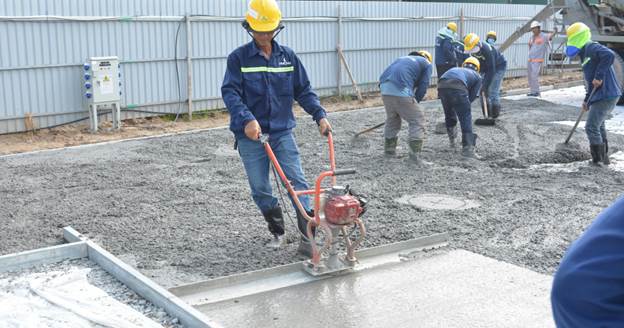
Workers may prepare forms, place reinforcement, pour and spread concrete, operate equipment, finish surfaces, and repair damaged areas.
Because the work covers several skills, pay can vary widely.
Looking at the numbers and the factors behind them gives you a better idea of what this career can offer.
How Much Do Concrete Construction Workers Make?
There is no single salary for all concrete construction workers because “concrete worker” can describe several different jobs.
The U.S. Bureau of Labor Statistics (BLS) reported that cement masons and concrete finishers had a median annual wage of $54,660 in May 2024.
The same occupation had a median hourly wage of about $26.28.
More recent BLS wage data for May 2025 shows that construction and extraction occupations as a whole had an annual mean wage of $65,360.
This broader group includes many jobs besides concrete workers.
A reasonable answer to how much do concrete construction workers make is that pay can range from entry-level wages to well above the national construction average, depending on the specific role.
Concrete Worker Pay by Experience
Experience can make a noticeable difference.
Entry-Level Workers
New workers may start by helping with tasks such as:
- Moving materials
- Preparing work areas
- Cleaning forms
- Setting up tools
- Assisting finishers
- Basic site cleanup
These workers generally have less responsibility and may earn less as they build their skills.
Experienced Concrete Workers
With experience, a worker may take on more difficult tasks, such as:
- Setting forms
- Placing reinforcement
- Operating equipment
- Finishing concrete
- Reading construction plans
- Checking grades and slopes
- Repairing concrete surfaces
A skilled finisher can be especially valuable because the final surface depends heavily on timing, technique, and experience.
Foremen and Supervisors
Workers who move into supervisory roles can earn more because they manage crews, schedules, materials, and job quality.
BLS reported an annual mean wage of $86,450 for first-line supervisors of construction and extraction workers in May 2025.
This is not a concrete-worker salary specifically, but it shows how moving into construction supervision can change earning potential.
What Does a Concrete Finisher Do?
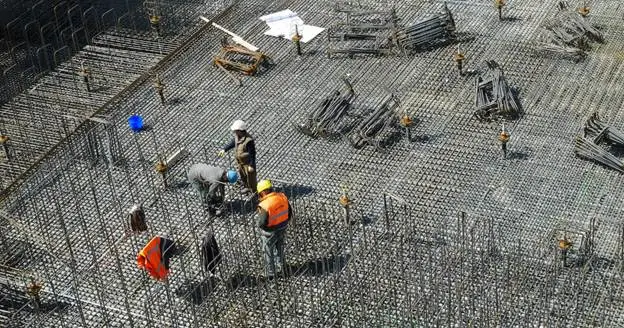
A concrete finisher works on concrete after it has been placed.
Depending on the project, the worker may:
- Spread the concrete.
- Level the surface.
- Use tools to smooth it.
- Create the required texture.
- Form edges and joints.
- Apply finishing techniques.
- Help protect the surface while it cures.
Timing matters.
Concrete does not wait for someone to finish setting up.
Workers have to know when the material is ready for each stage.
That is one reason experienced concrete finishers can be valuable on demanding projects.
What Affects Concrete Construction Worker Pay?
Several factors influence how much do concrete construction workers make.
Location
Pay varies by state and city.
Local construction demand, living costs, union activity, project size, and the number of available skilled workers can all affect wages.
BLS wage data is available by state and metropolitan area, allowing workers to compare local construction pay rather than relying only on national figures.
Type of Project
The type of work also matters.
A worker may work on:
- Driveways
- Sidewalks
- Foundations
- Parking lots
- Roads
- Bridges
- Commercial buildings
- Industrial sites
Large projects may require additional skills, equipment, safety procedures, and longer schedules.
Skill Level
Concrete work rewards workers who can produce consistent results.
Skills such as reading plans, setting forms correctly, finishing surfaces, and operating equipment can make a worker more useful to an employer.
Does Union Work Pay More?
Union and nonunion construction jobs can have different pay structures and benefit packages.
Union workers may receive wages plus benefits negotiated through collective agreements.
These benefits can include health coverage, retirement contributions, and training.
However, whether union work pays more depends on the local agreement, occupation, employer, and location.
It is better to compare the total compensation package, not just the hourly wage.
How Do Concrete Workers Learn the Trade?
Many workers learn through hands-on experience, employer training, trade schools, or apprenticeships.
The BLS notes that many construction occupations do not require a four-year college degree.
Education requirements vary by occupation, and workers often develop skills through on-the-job training.
An apprenticeship can be a useful option because workers can develop practical skills while receiving structured training.
Important skills include:
- Measuring accurately
- Reading plans
- Using hand tools
- Operating equipment
- Understanding concrete behavior
- Following safety procedures
- Working as part of a crew
Is Concrete Construction Dangerous?
Concrete work has physical risks, so safety training matters.
Construction workers may face hazards involving heavy materials, equipment, falls, moving vehicles, dust, noise, and other job-site conditions.
The Occupational Safety and Health Administration provides construction safety guidance covering hazards and protective practices.
Workers who handle concrete should also understand the risks from wet cement.
OSHA warns that contact with wet portland cement can cause skin irritation, dermatitis, and chemical burns.
Using proper protective equipment and following site safety rules is part of doing the job correctly.
Can Concrete Workers Earn More Over Time?
Career growth can come from gaining specialized skills and taking on more responsibility.
A worker may progress from:
Laborer → Concrete Worker → Skilled Finisher → Lead Worker → Foreman → Supervisor
Some experienced workers eventually start their own businesses.
Owning a concrete company can create greater earning potential, but business owners also have costs for equipment, insurance, employees, vehicles, materials, taxes, and marketing.
Conclusion
So, how much do concrete construction workers make?
BLS data puts the median annual wage for cement masons and concrete finishers at $54,660, based on May 2024 data.
Pay can be higher or lower depending on experience, location, project type, skills, and whether the worker moves into a supervisory role.
Concrete construction can provide a solid career without requiring a traditional four-year college path.
Building strong trade skills, learning safe work practices, and taking on more responsibility can improve long-term earning potential.