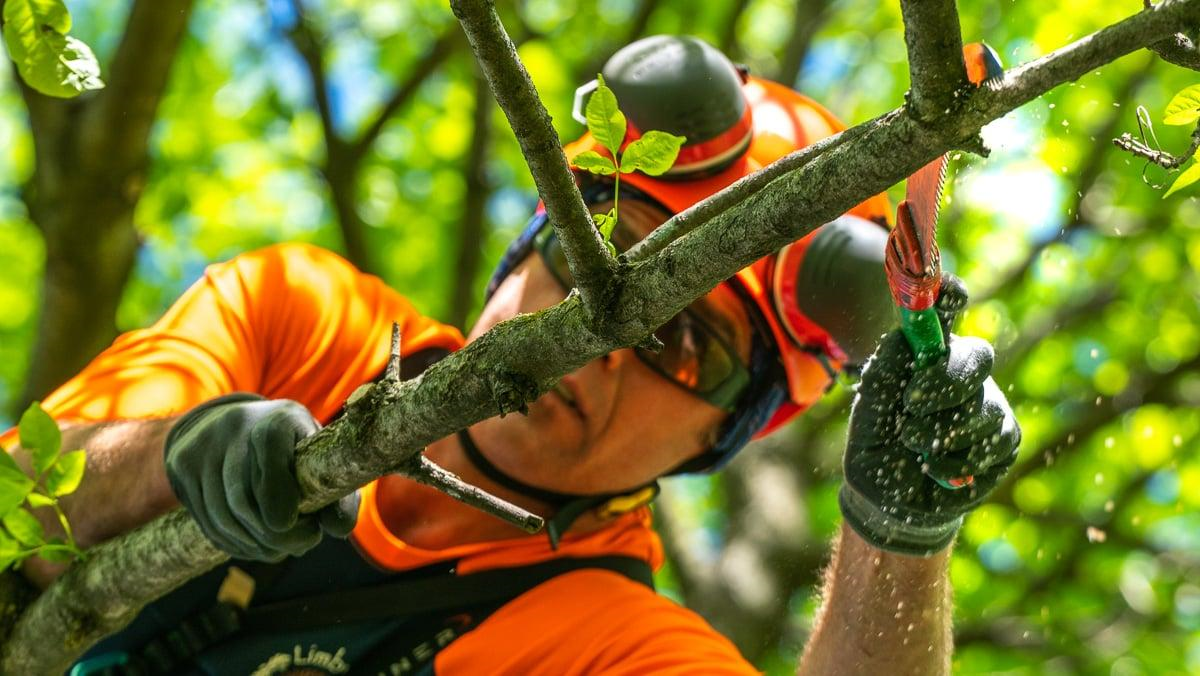
Learn how to trim a tree properly, choose the right branches to cut, use safe tools, and avoid common pruning mistakes that can harm your tree.
Learning how to trim a tree properly can help you keep your trees healthy, improve their shape, and prevent damaged branches from causing problems.
You might notice a limb growing toward your roof, branches rubbing against each other, or a thick canopy blocking sunlight from your garden.
Your first thought may be to grab a saw and start cutting.
But tree trimming takes more care than removing a few branches.
The wrong cut can leave a large wound, weaken the tree, or increase the risk of pests and disease.
With the right tools and cutting methods, you can remove unwanted branches while protecting healthy growth.
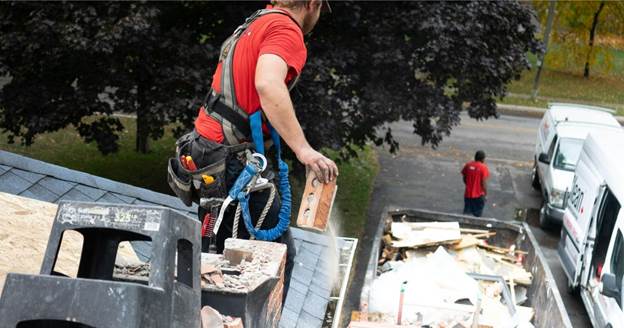
If a tree has large, damaged limbs or poses a safety risk, a professional may be the better choice.
Homeowners looking for tree removal Kingston services can seek help with trees that need more than routine trimming.
Knowing which branches to cut, where to make each cut, and when to call a professional will help you care for your trees with confidence.
Let’s consider the steps to take:
1. Know Which Branches to Trim
Before you make any cuts, look at the tree from different sides.
Decide what you want to fix instead of cutting branches just because they look out of place.
Focus on branches that are:
- Dead, broken, or showing signs of disease.
- Rubbing against other branches and damaging the bark.
- Growing toward the trunk or crossing through the center of the tree.
- Growing in a way that creates weak connections.
- Blocking a path or touching a building.
According to the University of Minnesota Extension, proper pruning can help prevent some insect and disease problems while improving a tree’s structure.
Avoid removing too many healthy branches at once.
The leaves make food that the tree needs to grow.
Removing too much foliage can weaken it.
2. Choose the Right Tools
Using the wrong tool can crush branches or tear the bark.
Choose a tool that fits the size of the branch.
- Hand pruners: Best for small, thin twigs.
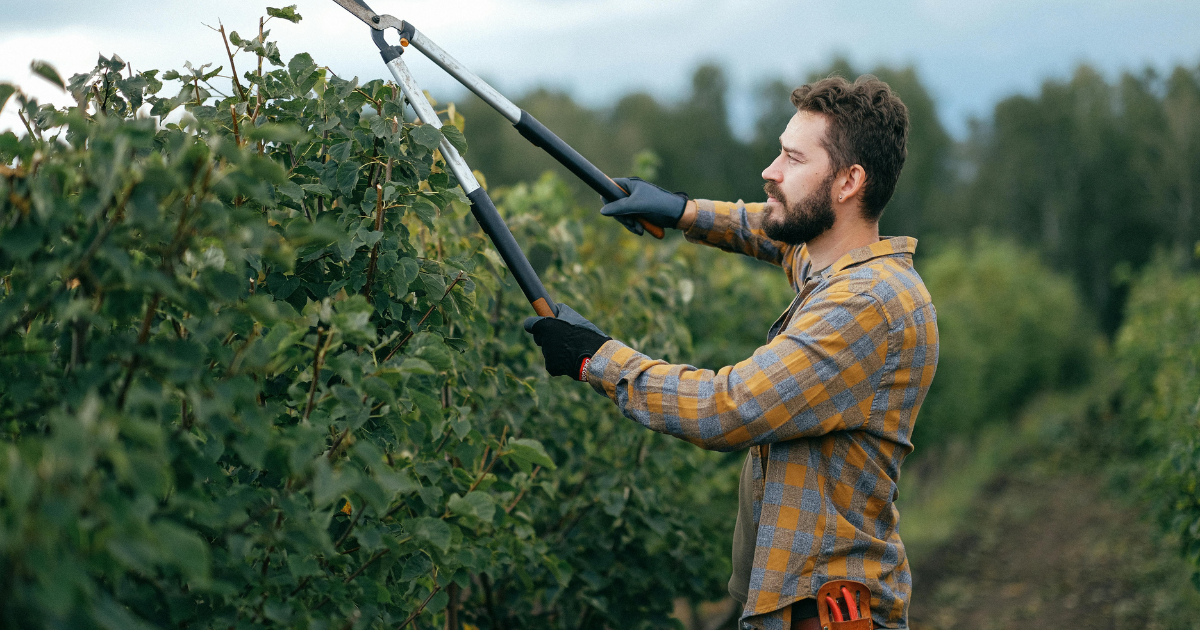
- Loppers: Useful for thicker branches that hand pruners cannot cut easily.
- Pruning saw: Suitable for larger branches within safe reach.
Keep your tools sharp and clean.
A sharp blade makes a cleaner cut, while cleaning tools between trees can help reduce the spread of some plant diseases.
The International Society of Arboriculture’s pruning advice explains why tool choice and proper cutting methods matter.
3. Make the Correct Pruning Cut
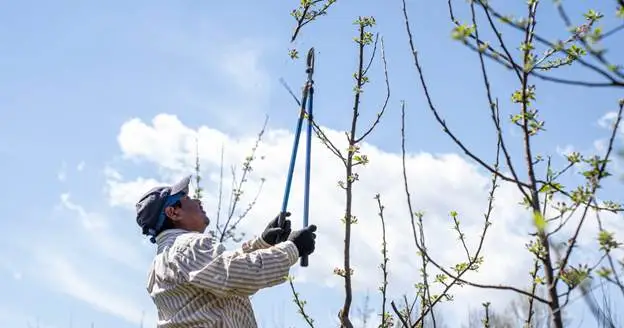
Knowing where to cut is one of the most important parts of learning how to trim a tree properly.
Look at the base of the branch where it joins the trunk or a larger limb.
You should see a slightly raised area called the branch collar.
This area helps the tree protect itself and close over the wound.
Follow these steps:
- Find the branch collar before cutting.
- Position your cut just outside the collar.
- Cut without damaging the collar or leaving a long stub.
- Check that the bark around the cut has not been torn.
Never cut the branch flush with the trunk.
This removes tissue that helps protect the tree and can increase the risk of decay.
For a large branch, use the three-cut method recommended by recent research:
- Make a small cut underneath the branch, a short distance from the trunk.
- Make a second cut farther out to remove the branch’s weight.
- Remove the remaining stub with a final cut just outside the branch collar.
This method helps stop the branch from tearing the bark as it falls.
4. Trim at the Right Time
The best time to trim a tree depends on its species, condition, and purpose.
For many trees, late winter or early spring is a good time for planned pruning.
The branch structure is easier to see when leaves are absent, and the tree has less new growth to support.
However, flowering trees may need pruning after their flowers fade.
Some species are also more likely to develop certain diseases when cut at the wrong time.
The Penn State Extension provides advice on pruning methods and timing for different trees.
If you notice a broken branch that poses an immediate danger, do not wait for the ideal pruning season.
Keep people away and arrange safe removal.
5. Avoid These Common Tree Trimming Mistakes
Even with the right tools, a few bad habits can damage your tree.
- Topping the tree: Cutting across the top to reduce its height can lead to weak new growth and damage its natural shape.
- Removing too much foliage: Heavy pruning reduces the leaves available to make food.
- Leaving long stubs: Stubs can die back and create problems for the tree.
- Cutting too close to the trunk: Flush cuts damage the branch collar.
- Using dirty or dull tools: These can cause poor cuts and may spread certain diseases.
The University of Minnesota Extension’s pruning advice warns against topping because it can damage a tree’s shape and encourage weak growth.
6. Know When to Call a Professional
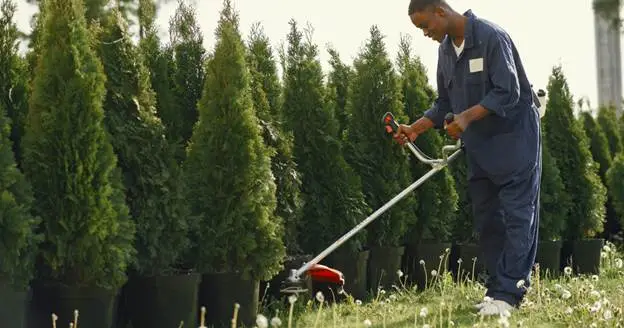
You can often trim small branches from the ground.
However, some jobs are too risky to handle yourself.
Contact a qualified tree care professional if:
- The branch is large or heavy.
- You need to climb a ladder to reach the cutting point.
- A branch hangs over your roof, driveway, or another property.
- The tree has a deep split, large dead limbs, or signs of major damage.
- Branches are close to power lines.
The Occupational Safety and Health Administration (OSHA) identifies falling branches, power lines, and cutting tools as serious tree care hazards.
If you need a tree service Kingston provider, look for suitable insurance, relevant training, and experience with your type of tree.
For work involving large or potentially dangerous branches, an arborist Kingston homeowners can contact them for a proper assessment.
Never attempt to cut a branch that is touching or close to an electrical line.
Conclusion
Learning how to trim a tree properly starts with knowing what to remove, choosing the right tools, and making cuts that protect the branch collar.
Start with a clear purpose and remove only the branches that need attention.
Avoid topping the tree or cutting away too much healthy growth.
When the job involves heavy limbs, climbing, or power lines, hire a qualified professional.
A careful approach today can help protect your tree’s health and structure for years to come.