Learn how teeth whitening works, how whitening agents remove stains, what results to expect, and how to protect your teeth during treatment.
Have you ever looked at an old photo and noticed that your teeth looked whiter than they do today?
Coffee, tea, red wine, tobacco, and natural aging can all change the color of your smile.
Even if you brush twice a day, some stains may remain because they affect more than the surface of your teeth.
So, how teeth whitening works is a useful question to ask before you spend money on whitening strips, gels, or a professional treatment.
The process depends on the product used, the type of stain, and the natural color of your teeth.
A dentist can help you choose a suitable option and check whether your teeth and gums are healthy enough for treatment.
This matters because not every dark spot responds to whitening in the same way.
To understand what results you can expect, it helps to know what whitening products do to your teeth.
How Does Teeth Whitening Work?
Teeth whitening uses special ingredients to change the color of your natural teeth.
Most bleaching products contain one of two ingredients: hydrogen peroxide or carbamide peroxide.
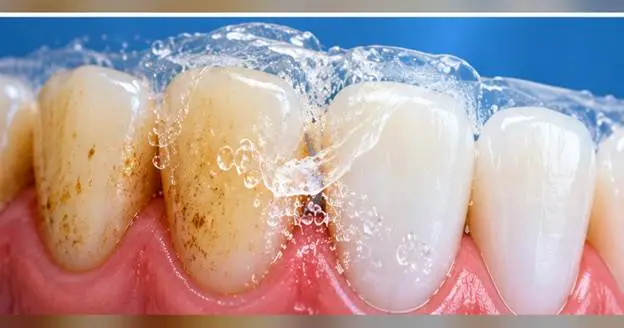
These ingredients break down colored compounds that make your teeth look yellow or dark.
This chemical process makes the stains less visible and your teeth look lighter.
According to the American Dental Association (ADA), these whitening agents can pass through the enamel, which is the hard outer layer of your teeth, and reach the layer beneath it.
Here is how the process works:
- You apply a whitening product to your teeth.
- The active ingredient reaches the stained areas.
- The bleaching agent breaks down the colored compounds.
- Your teeth gradually become lighter.
Whitening does not scrape away healthy enamel to reveal a white layer underneath.
Instead, bleaching changes the color of stains within the tooth.
What Causes Teeth to Become Yellow?
Before you decide how teeth whitening works for your needs, it helps to know why your teeth have changed color.
Common causes include:
- Food and drinks: Coffee, tea, red wine, and some dark-colored foods can leave stains on your teeth.
- Aging: Your enamel gets thinner over time, allowing the yellowish layer beneath it to show through.
- Smoking: Tobacco can leave stubborn brown or yellow stains.
- Certain medicines: Some medicines can change tooth color while teeth are developing or after they have formed.
- Dental problems: Tooth decay, injury, or changes inside a tooth can cause discoloration that needs treatment rather than ordinary whitening.
The Cleveland Clinic explains that treatment depends on the cause of the discoloration and whether the stain affects the outer or inner parts of the tooth.
This is why two people can use the same whitening product and get different results.
What Are the Different Ways to Whiten Teeth?
You have several options, but each works a little differently.
1. Professional Teeth Whitening
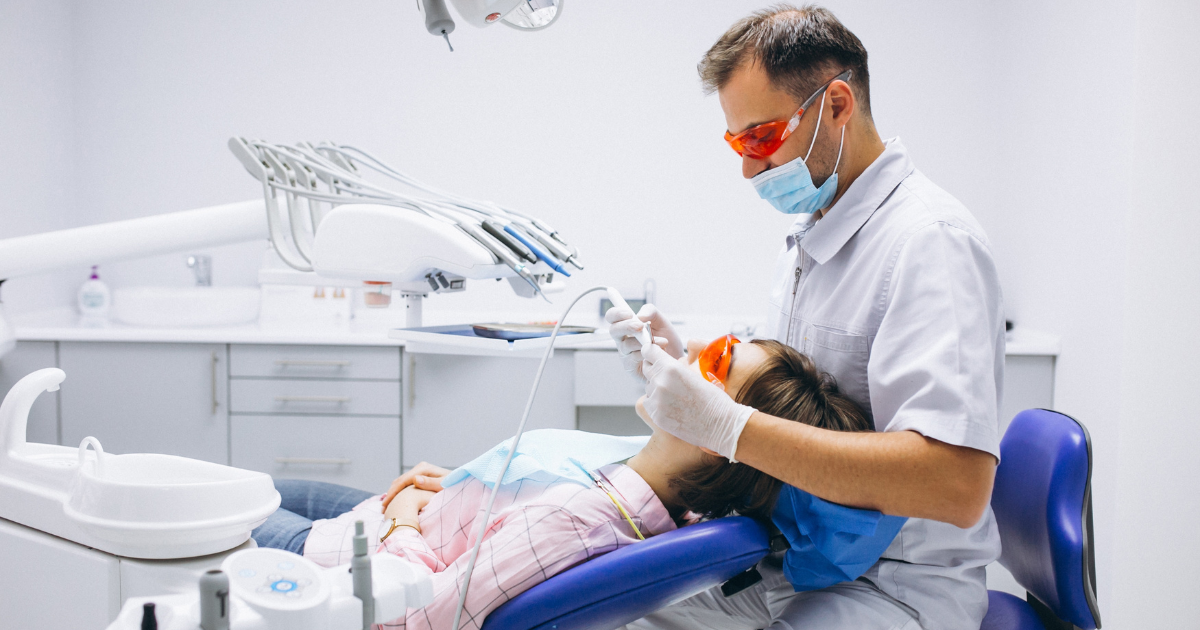
A Dentist applies a whitening gel in a dental office.
The gums are protected before the product is placed on the teeth.
Professional treatment uses controlled amounts of bleaching agents and can produce noticeable results in a shorter period than many home treatments.
A cosmetic dentist can assess your tooth color, check for dental problems, and recommend a suitable treatment.
2. At-Home Whitening Kits
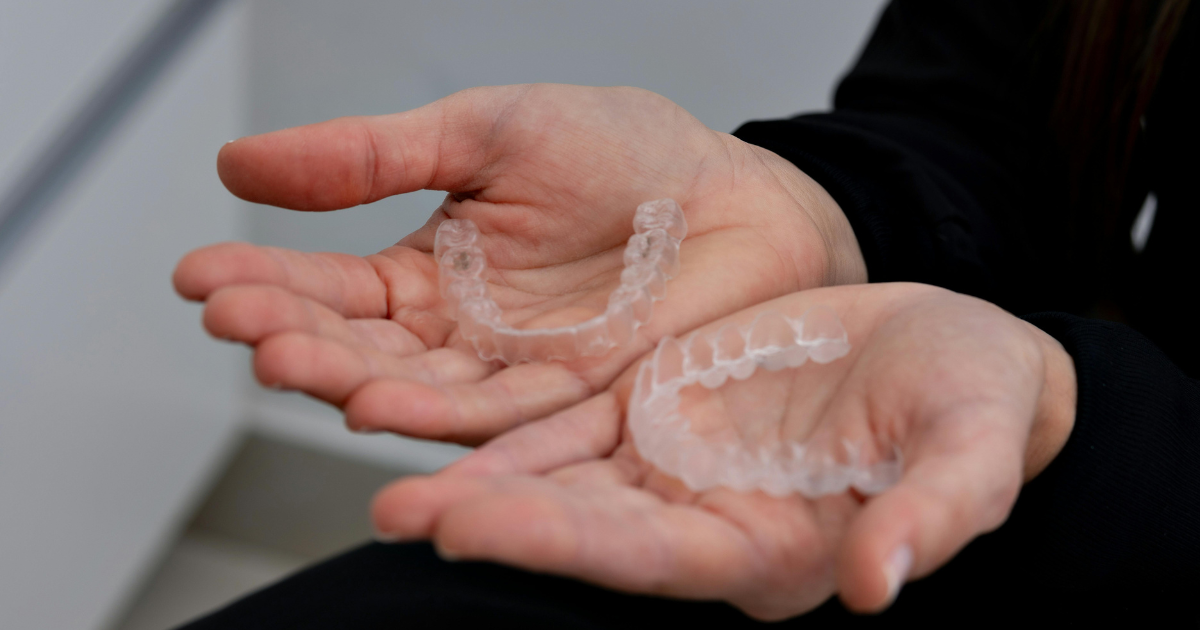
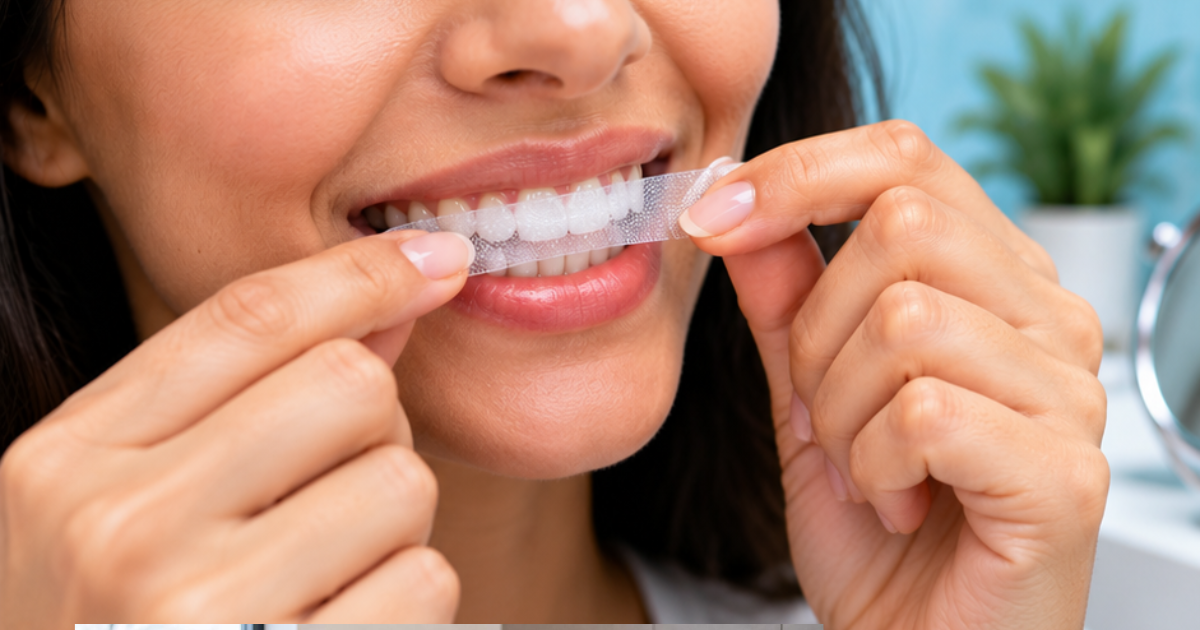
These kits may include whitening gel, strips, or trays.
Some are available in stores, while others are provided by a dental professional.
You apply the product as directed over several days or weeks.
The results depend on the product’s strength, the type of stains, and how consistently you use it.
The Canadian government’s advice on home tooth whitening kits recommends reading product instructions carefully and seeking professional advice when needed.
3. Whitening Toothpaste
Whitening toothpaste mainly removes surface stains using mild polishing ingredients.
Some products also contain small amounts of bleaching agents.
It may help your teeth look cleaner and brighter, but it usually will not change deep stains as much as a bleaching gel.
How Long Does Teeth Whitening Take?
The time depends on the method you choose.
- In-office treatment: Often takes around one hour, although the exact time varies.
- At-home whitening: May take several days or a few weeks.
- Whitening toothpaste: Usually needs regular use over time to show a change in surface stains.
The NHS teeth whitening guidance explains that dentist-provided home kits may be used over several weeks.
Your teeth may not reach the exact shade you want, and stronger products do not always mean better results.
Your starting tooth color and the cause of the stains matter.
Does Teeth Whitening Damage Your Teeth?
When used correctly, approved whitening products can be safe for many adults.
However, side effects can happen.
The most common problems are:
- Tooth sensitivity: Your teeth may feel uncomfortable when you eat or drink something cold or hot.
- Gum irritation: Whitening gel can irritate your gums if it touches them.
- Uneven results: Some teeth may whiten more than others, especially if you have different types of stains.
These effects are often temporary.
Still, stop using the product and contact your dentist if you experience strong pain, lasting irritation, or other worrying symptoms.
Avoid using household bleach, lemon juice, or rough charcoal mixtures to whiten your teeth.
These methods can harm your teeth and gums without giving you the results you want.
Can Whitening Work on Crowns, Veneers, or Dental Implants?
No.
Whitening products change the color of natural teeth, but they do not whiten crowns, veneers, fillings, or Dental Implants.
This matters if you have dental work on your front teeth.
Your natural teeth may become lighter while your crowns or veneers stay the same color.
If you are planning Invisalign treatment or seeing an orthodontist, ask when whitening would fit best into your treatment plan.
Your dentist can help you avoid uneven color and choose the right time.
How Can You Keep Your Teeth White After Treatment?
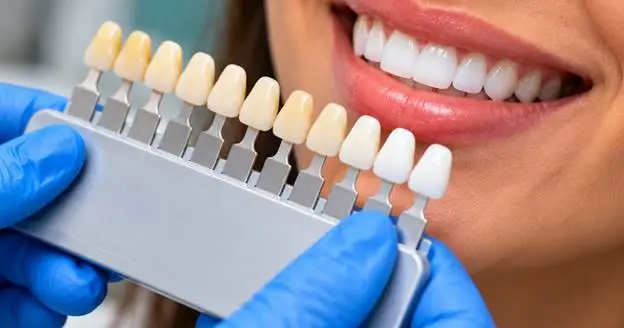
Once you understand how teeth whitening works, the next step is keeping your results for as long as possible.
Try these habits:
- Brush twice daily with fluoride toothpaste.
- Clean between your teeth every day.
- Rinse your mouth with water after drinking coffee or tea.
- Avoid smoking and tobacco products.
- Attend regular dental checkups and cleanings.
- Follow your dentist’s advice before using whitening products again.
Whitening results are not permanent.
How long they last depends on your habits, the product used, and the original cause of the stains.
Conclusion
Understanding how teeth whitening works helps you choose a treatment that suits your teeth and your goals.
Bleaching products use peroxide to break down stains, while whitening toothpaste mainly removes marks on the tooth surface.
The best option depends on your tooth color, the cause of discoloration, and your oral health.
Before starting treatment, ask a dentist to check your teeth and recommend a safe approach.
That way, you can work toward a brighter smile without putting your dental health at risk.