Learn how Invisalign attachments work, why you need them, how they help move teeth, and what to expect during treatment.
Clear aligners can straighten your teeth without the metal brackets and wires used with traditional braces.
But if you look closely at someone wearing Invisalign, you may notice small bumps on some of their teeth.
These bumps are called attachments, and they play an important role in treatment.
Understanding how Invisalign attachments work helps you know why your dentist may recommend them and what to expect during your appointments.
These small, tooth-colored bumps give your aligners a better grip, helping them guide certain teeth into the right positions.
If you are considering invisalign to improve your smile, knowing how attachments work can help you make a more informed choice.
Not everyone needs attachments. Your tooth positions, bite, and treatment goals help determine whether they are necessary.
Their shape and placement also matter because different teeth need different types of movement.
What Are Invisalign Attachments?
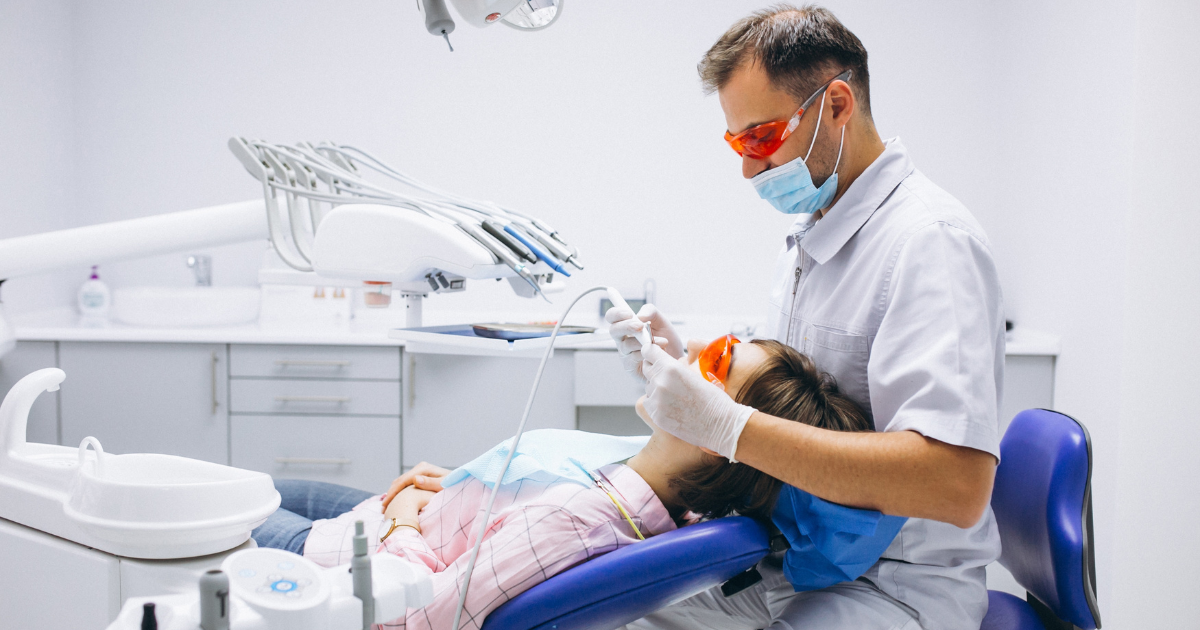
Invisalign attachments are small bumps made from tooth-colored dental composite. A dentist or orthodontist bonds them to selected teeth using a special dental process.
Think of an attachment as a small handle. Your aligner fits over it and uses that extra grip to apply pressure in a planned direction.
Attachments may be square, rectangular, rounded, or shaped for a specific purpose. Their design depends on the tooth and the movement required.
According to Invisalign’s patient information, these attachments help aligners perform certain tooth movements more effectively.
How Invisalign Attachments Work
The main job of an attachment is to help control how a tooth moves. An aligner can push against a tooth, but some movements require better grip and more precise force.
Here is how the process works:
- Your teeth are scanned. Your dentist uses scans and a treatment plan to map the movements needed.
- Attachment positions are planned. Each attachment is placed where it can help guide a particular tooth.
- Your teeth are prepared. The dentist cleans the selected teeth and prepares their surfaces.
- The attachments are bonded. Composite material is placed using a template that helps create the planned shape.
- The material is hardened. A special light sets the composite.
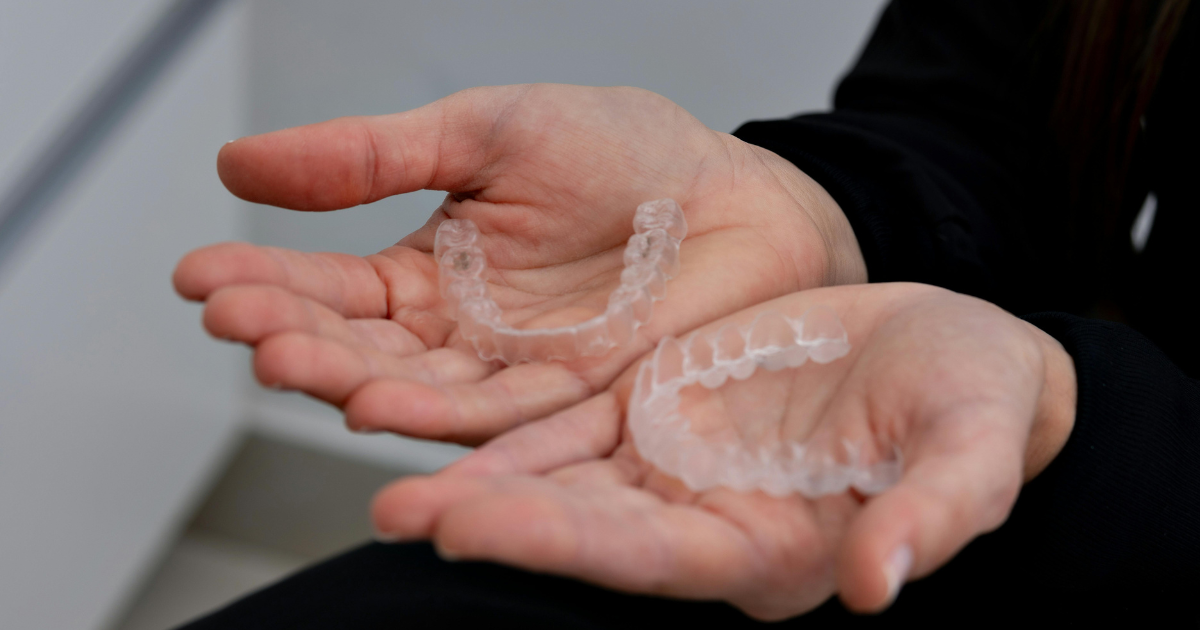
- Your aligners are fitted. The trays fit over the attachments and apply controlled pressure as treatment progresses.
You then wear each set of aligners according to your dentist’s instructions. As you move to the next set, your teeth gradually change position.
Why Do You Need Invisalign Attachments?
Attachments help when your teeth need movements that may be difficult to achieve with aligners alone.
They can help with:
- Rotating teeth: Turning a tooth that faces the wrong direction.
- Moving teeth up or down: Adjusting a tooth’s height.
- Controlling tooth roots: Helping guide how a tooth sits within the jaw.
- Moving teeth sideways: Supporting planned changes in tooth position.
- Improving aligner grip: Helping the tray apply force where it is needed.
Your treatment may need only a few attachments, while another person may need several. This depends on your bite, tooth positions, and treatment goals.
Attachments do not guarantee that every tooth will move exactly as planned.
Your dentist or orthodontist must check your progress and adjust treatment when needed.
Do Invisalign Attachments Hurt?

Getting attachments placed is usually painless and does not normally require injections.
You may notice mild pressure during the appointment. Afterward, the attachments may feel strange against your tongue, and your teeth may feel sore when you wear your aligners.
These feelings often improve as your mouth adjusts.
To make the first few days more comfortable:
- Wear your aligners as instructed.
- Choose softer foods if your teeth feel tender.
- Keep your teeth and aligners clean.
- Contact your dentist if pain is severe, persistent, or getting worse.
The attachments themselves should not usually cause ongoing pain.
Are Invisalign Attachments Visible?
Attachments are made from tooth-colored material, so they blend with your natural teeth. However, they are not completely invisible.
You may notice them more if they are placed on your front teeth, are larger, or appear in several areas.
When you wear your aligners, the trays cover most attachments. Even so, someone looking closely may still see them.
Your dentist will choose attachment positions based mainly on the movement your teeth need. Appearance matters, but proper placement is essential for treatment.
How Long Do Attachments Stay on Your Teeth?
Attachments usually stay on your teeth for as long as your treatment plan requires them.
Some may remain throughout treatment, while others may be changed or removed as your needs change.
If an attachment falls off, contact your dentist or orthodontist. Do not try to glue it back yourself.
Your provider can check whether it needs replacing and whether your aligner still fits correctly.
How Do You Clean Teeth With Attachments?
Food and plaque can collect around attachments, so good oral hygiene is important during treatment.
Follow these steps:
- Brush twice daily with fluoride toothpaste.
- Clean carefully around each attachment.
- Floss between your teeth every day.
- Remove your aligners before eating or drinking anything other than water.
- Clean your aligners as directed.
- Keep your regular dental checkups.
If you notice swollen gums, bleeding that continues, or signs of tooth decay, ask your dentist for advice.
What Happens When Attachments Are Removed?
When your treatment reaches the planned stage, your dentist or orthodontist can remove the attachments.
They carefully remove the composite material and polish the tooth surface. The process should preserve your natural tooth when performed correctly.
You may then receive retainers to help keep your teeth in their new positions.
Retainers matter because teeth can shift after orthodontic treatment, even when the original results look excellent.
Do Attachments Make Invisalign More Effective?
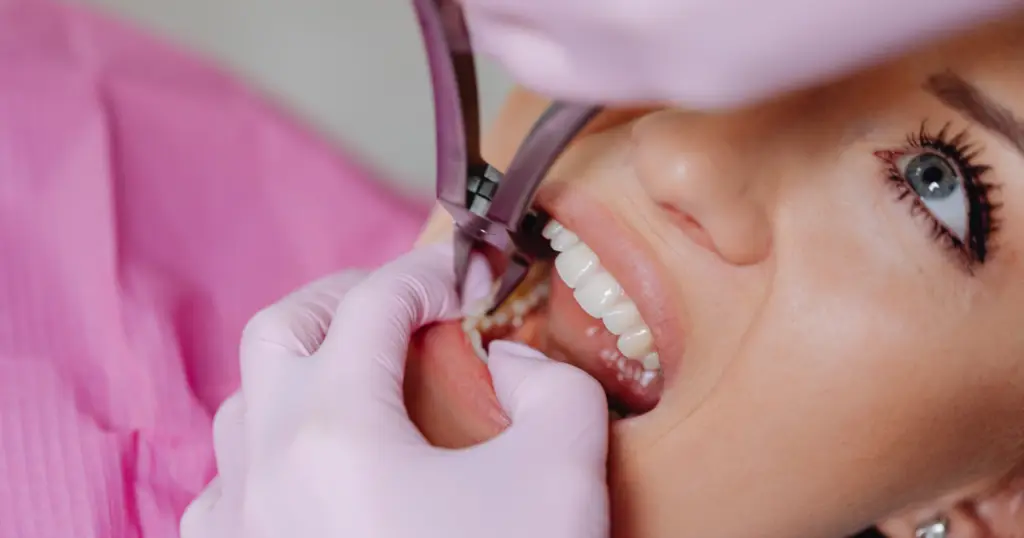
Attachments can improve control over certain tooth movements, including some rotations and movements involving tooth roots.
However, the results depend on the tooth, the attachment design, and the treatment plan.
Research published in the Progress in Orthodontics journal has examined how attachments affect clear aligner treatment.
The findings support their use for certain movements, but they do not show that attachments improve every movement equally. You can read the research on clear aligner attachments in PubMed.
Your wearing habits also matter. Wearing aligners for less time than prescribed may affect how well your teeth follow the plan.
Invisalign Attachments vs. Braces
Both braces and clear aligners move teeth by applying controlled forces, but they work differently.
- Braces: Brackets and wires stay attached to your teeth throughout treatment.
- Invisalign: Removable trays guide tooth movement, sometimes with the help of bonded attachments.
Neither option is best for everyone. Your dentist or orthodontist will consider your bite, dental health, tooth positions, and treatment goals before recommending an approach.
Conclusion
Understanding how Invisalign attachments work helps explain why your dentist may add small bumps to your teeth during clear aligner treatment.
They give the trays a better grip and help guide specific movements that may otherwise be difficult to control.
Attachments may look unusual at first, but they are a normal part of many treatment plans.
Keep your teeth clean, wear your aligners as directed, and attend your follow-up appointments.
If you are unsure whether you need attachments, ask your dentist or orthodontist to explain which teeth need them and what each one is designed to do.