What is the difference between tree trimming and pruning? See how each method affects tree shape, growth, health, and safety, here.
Picture looking at a tree in your yard.
Its branches are growing over the driveway, the crown looks uneven, and a few limbs seem weak.
You know the tree needs attention, but should you ask for trimming or pruning?
The terms sound similar, and many people use them to mean the same thing.
However, the main difference lies in the goal of the work.
Trimming often focuses on shape, size, and appearance, while pruning focuses more on tree health, structure, and the removal of unwanted branches.
Both can help you care for your trees when done correctly.
If you need tree service Sudbury, knowing what each service does can help you explain your needs and choose the right work.
It can also help you avoid paying for cuts your tree does not need.
Let’s look at how these two methods work and when each one makes sense.
What Is Tree Trimming?
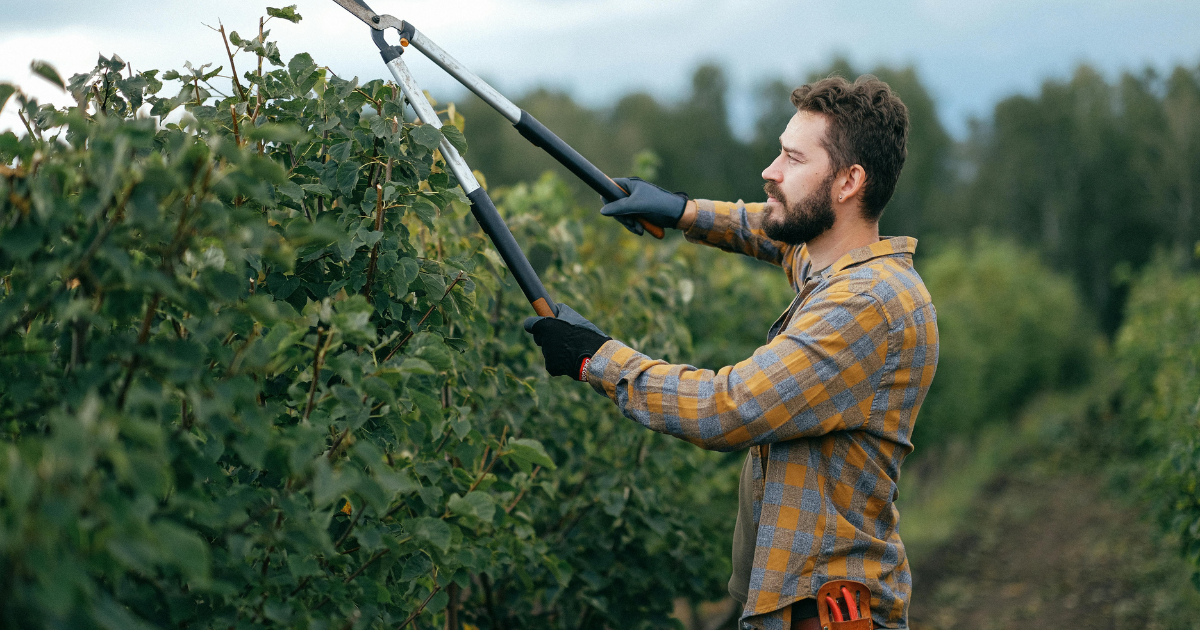
Tree trimming usually means cutting back selected growth to manage a tree’s shape, size, or appearance.
It is often requested when branches have grown too far into a space or the tree looks uneven.
For example, you may want trimming when:
- Branches extend over a walkway or driveway.
- Growth blocks a view from your window.
- The tree is growing too close to a building.
- The crown needs light shaping to fit the space.
- A tree or shrub has grown beyond its intended form.
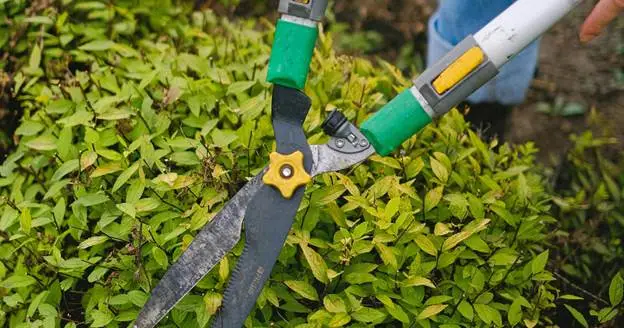
Trimming can also apply to hedges and ornamental plants that need a neat shape.
However, cutting every branch to the same length is not always good for a tree.
The right cuts should suit the tree’s natural growth and structure.
What Is Tree Pruning?
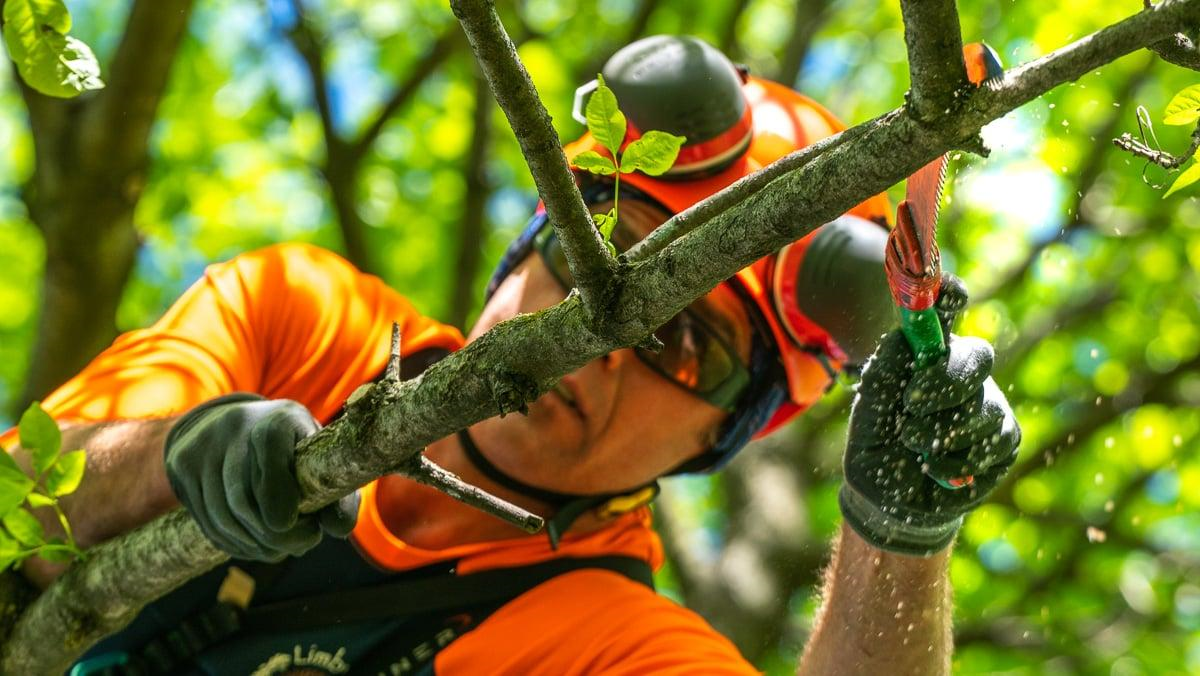
Tree pruning means removing selected branches to improve the tree’s health, structure, or safety.
It is not about cutting as much as possible.
Each cut should have a purpose.
According to TreesAreGood, an educational resource from the International Society of Arboriculture, proper pruning helps maintain a tree’s structure and appearance, while poor cuts can cause lasting damage.
Pruning is useful when you need to:
- Remove dead, broken, or diseased branches.
- Correct weak or poorly placed growth.
- Reduce branches that rub against each other.
- Help a young tree develop a strong shape.
- Remove branches that create safety risks.
For example, if two large branches rub together every time the wind blows, one may need to be removed to prevent damage.
This is a pruning task because the goal is to correct a problem with the tree’s growth.
Tree Trimming vs. Pruning: Key Differences
| Feature | Tree trimming | Tree pruning |
| Main goal | Manage shape and size | Improve health and structure |
| Common task | Shape unwanted growth | Remove damaged or weak branches |
| Focus | Appearance and space | Tree condition and growth |
| Cutting method | Depends on the desired shape | Based on the tree’s structure and needs |
| Best result | A tree that fits its space | A tree with healthier, better-placed branches |
These terms often overlap.
Trimming can also improve safety, and pruning can improve appearance.
The purpose of the work matters more than the name used when booking the service.
The University of Minnesota Extension’s pruning advice explains how careful branch removal can improve tree form, remove damaged growth, and reduce certain risks.
Which Service Does Your Tree Need?

The right choice depends on what you want to fix.
Choose trimming when:
- The tree has grown into a space where it no longer fits.
- You want to shape ornamental growth.
- Branches need careful cutting to maintain clearance.
Choose pruning when:
- You notice dead or diseased branches.
- The tree has crowded or crossing limbs.
- You want to improve its branch structure.
- You need a professional to assess a possible tree health problem.
Sometimes, you need both.
A tree growing over your roof may need selective pruning for safety and careful trimming to manage its shape.
If you are unsure, an arborist Sudbury or a qualified tree care professional in your area can assess the tree and recommend suitable work.
If the tree has serious damage, ask whether branch removal is enough or whether a separate assessment is needed.
Can Trimming or Pruning Harm a Tree?
Yes.
Both can harm a tree when too much growth is removed or cuts are made in the wrong places.
One common mistake is tree topping, which means cutting large branches back to stubs or cutting off the top without regard for the tree’s natural structure.
This can create large wounds and encourage weak new growth.
The University of California’s Integrated Pest Management Program explains why poor pruning cuts can lead to dense, weak growth and increase the risk of branch failure.
To protect your tree:
- Avoid cutting healthy branches without a clear reason.
- Do not remove large amounts of foliage at once.
- Keep cuts clean and avoid damaging the branch collar, the raised area where a branch joins the trunk.
- Use tools suited to the size of the branch.
- Leave large, high, or dangerous branches to trained professionals.
How Often Should You Trim or Prune a Tree?
There is no single schedule that works for every tree.
The right timing depends on the tree species, age, health, growth rate, and reason for cutting.
Young trees may need occasional pruning to develop strong branch structure.
Mature trees often need less frequent work, based on their condition and surroundings.
Some trees also need pruning at certain times to reduce the risk of disease or protect flowering and fruit production.
Ask a qualified professional about the best timing for your tree.
If you are comparing tree care options or tree removal Sudbury Ontario services, remember that removing a tree is different from trimming or pruning it.
Removal may be necessary when a tree cannot be kept safely, but it should not be the first choice simply because a few branches need attention.
Conclusion
Finally, what is the difference between tree trimming and pruning is the purpose behind the work.
Trimming often focuses on controlling shape and size, while pruning targets tree health, structure, and safety.
Both services can help you maintain an attractive yard, but the right cuts matter.
Before hiring a tree care professional, explain what concerns you about the tree and ask which work is needed.
That way, you can protect your tree, avoid unnecessary cuts, and get better results from your tree care budget.