
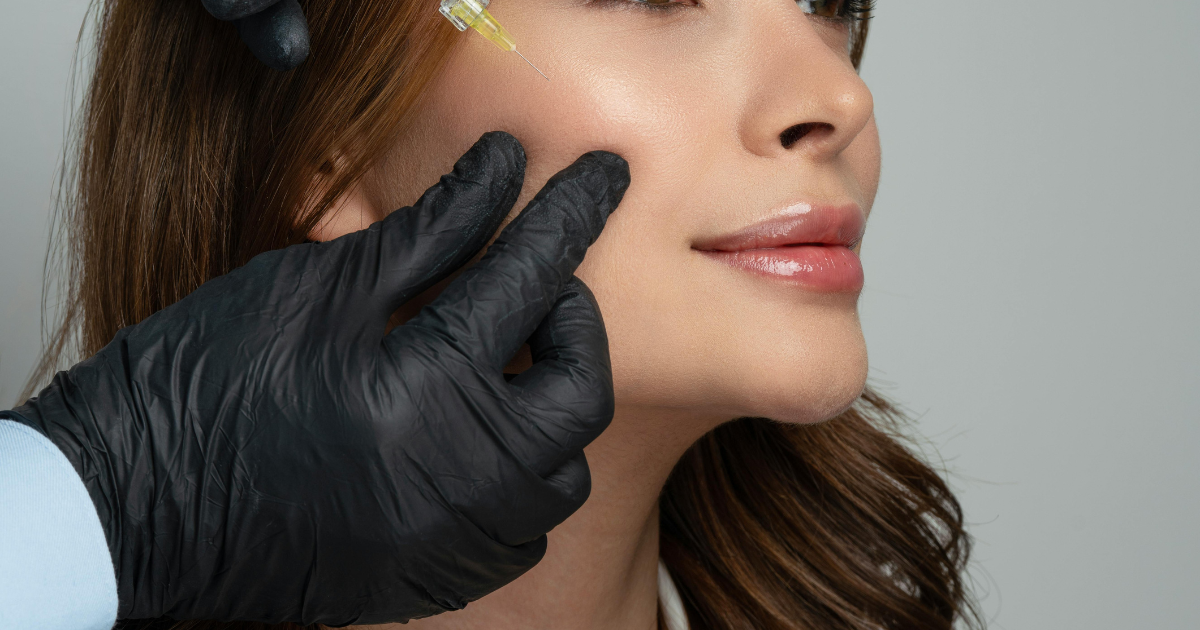
How often is too often for Botox? Learn the recommended treatment intervals, possible risks of frequent injections, and when to book your next session.
Botox can soften forehead lines, frown lines, and crow’s feet without surgery. But once you start seeing results, you may wonder how often is too often for Botox.
Should you book another appointment when your facial movement returns, or wait until the results have almost disappeared?
For most cosmetic patients, Botox treatments are spaced about three to four months apart.
However, your ideal schedule depends on the area treated, your muscle activity, the dose used, and how your body responds.
Getting injections too frequently may increase certain risks without giving you better results.
It is also worth remembering that Botox is not the only option for facial rejuvenation.
Treatments such as Sculptra work differently, helping restore facial volume by stimulating collagen production rather than temporarily reducing muscle movement. Your treatment choice should match your concerns and goals.
Before booking another session, it helps to understand how Botox works, when repeat treatments are appropriate, and which signs mean you should speak with your injector.
How Often Should You Get Botox?
Most people receive cosmetic Botox every three to four months.
According to the U.S. Food and Drug Administration, the safety and effectiveness of Botox Cosmetic given more frequently than every three months have not been clinically established.
Results vary from person to person. Your treatment schedule may depend on:
- The area being treated.
- Your facial muscle strength.
- The dose and injection technique.
- How long your previous results lasted.
- Your treatment goals and medical history.
Your provider should assess your results before recommending another session.
How Often Is Too Often for Botox?
Getting Botox repeatedly at intervals shorter than three months may be too frequent for routine cosmetic treatment.
Botox temporarily blocks signals between nerves and muscles, reducing muscle activity in the treated area. Its effects gradually wear off, allowing movement to return.
Booking another treatment after only a few weeks may be unnecessary because the first treatment might still be working. It can also make it harder to judge the final result.
If you feel your Botox wears off unusually quickly, discuss the issue with your injector rather than automatically requesting more injections.
What Are the Risks of Getting Botox Too Often?
Frequent Botox treatments may increase concerns about side effects and treatment effectiveness.
Possible side effects include:
- Bruising, swelling, or pain at the injection site.
- Headaches.
- Drooping eyelids or eyebrows.
- Temporary weakness in nearby muscles.
- Uneven facial movement.
Another concern is antibody formation. In some cases, the body develops antibodies that reduce the effect of botulinum toxin.
This is uncommon with cosmetic treatment, but frequent injections and higher cumulative doses may increase the risk.
The U.S. Food and Drug Administration’s Botox Cosmetic prescribing information explains the product’s approved uses, dosing guidance, and safety information.
More injections do not automatically mean smoother skin. A suitable treatment plan should preserve natural facial movement while addressing your concerns.
Why Should You Wait Between Botox Treatments?

Botox does not produce its full effect immediately. Results develop over several days, and it may take around two weeks to assess the full cosmetic effect.
Waiting allows your provider to check:
- Whether the treatment worked as expected.
- Whether your facial movement remains natural.
- Whether the dose was appropriate.
- Whether another treatment is necessary.
For example, if your forehead lines remain visible a few days after treatment, adding more Botox immediately may be premature. Give the treatment time to work and follow your provider’s advice.
What If Botox Wears Off Too Quickly?
If your results fade after only a few weeks, several factors may explain why.
- The treatment may need reassessment. Your provider can review the dose, injection sites, and strength of the treated muscles.
- You may be judging the results too early. Initial improvement and the full effect are not always the same.
- Your expectations may need adjusting. Botox reduces muscle movement but does not remove every line, especially wrinkles that remain visible when your face is at rest.
Do not increase your treatment frequency without professional advice. Your injector can help determine whether you need a different approach or simply more time between appointments.
Does Regular Botox Make Results Last Longer?
Some people report longer-lasting results with repeated treatments, but this is not guaranteed.
Results depend on individual muscle activity, the treatment area, and other factors.
You should not shorten the time between sessions to try to make results last longer.
Instead, work with your provider to choose an appropriate dose and treatment interval. The aim is to soften unwanted lines while keeping your face expressive.
Is Botox Different From Lip Filler?
Yes. Botox and lip filler work in different ways.
Botox reduces muscle activity, making it useful for certain expression lines. Most lip fillers contain hyaluronic acid, which adds volume and shapes the lips.
Because these treatments work differently, their repeat schedules and risks also differ. If you plan to combine treatments, ask your provider how to space them safely.
When Should You Book Your Next Botox Appointment?
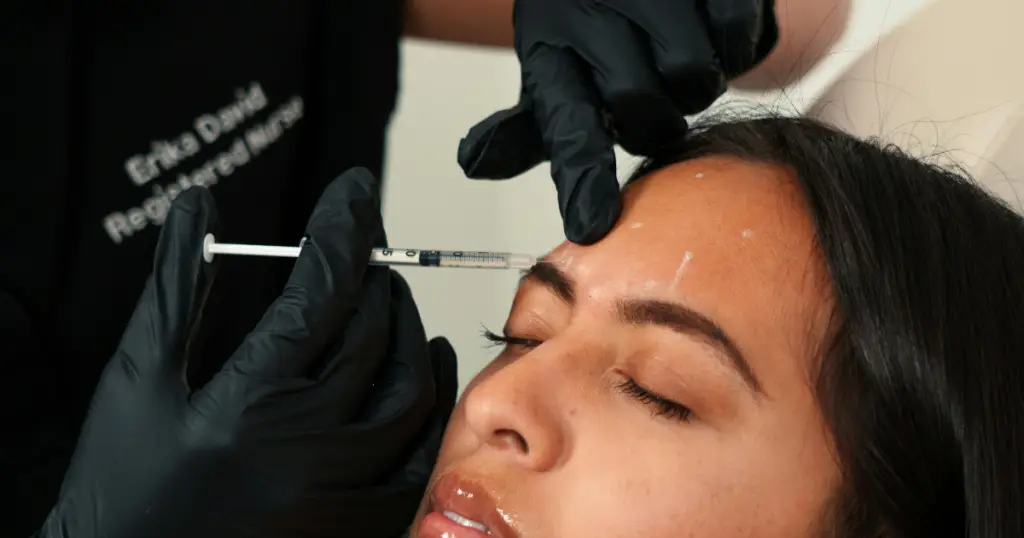
For many people, three to four months is a reasonable starting point. You may need a different schedule depending on your treatment history and the area being treated.
Before booking, consider these questions:
- Has enough time passed since your last treatment?
- Have you assessed the full results?
- Has your facial movement returned?
- Did you experience any side effects?
- Has your injector recommended another session?
Choose a qualified medical professional who understands facial anatomy and uses approved products.
Tell them about your medications, medical conditions, and previous reactions before treatment.
If you experience trouble breathing, swallowing, or speaking after Botox, seek emergency medical care. These symptoms can indicate a serious reaction.
Conclusion
So, how often is too often for Botox? For routine cosmetic treatment, repeat injections more frequently than every three months are generally not recommended by the product’s prescribing guidance.
Many people do well with treatments every three to four months, but your ideal schedule depends on your individual response.
Rather than rushing to your next appointment when you notice movement returning, ask your provider to assess your results first.
Safe timing, appropriate dosing, and natural facial movement matter more than getting injections as often as possible.


