Why coin collecting is important goes beyond money. Learn how collecting coins teaches history, builds knowledge, preserves culture, and connects generations.
Some people see coin collecting as a hobby built around old pieces of metal.
Others think coins matter only when they are rare or worth a lot of money.
But why coin collecting is important goes beyond a coin’s price tag.
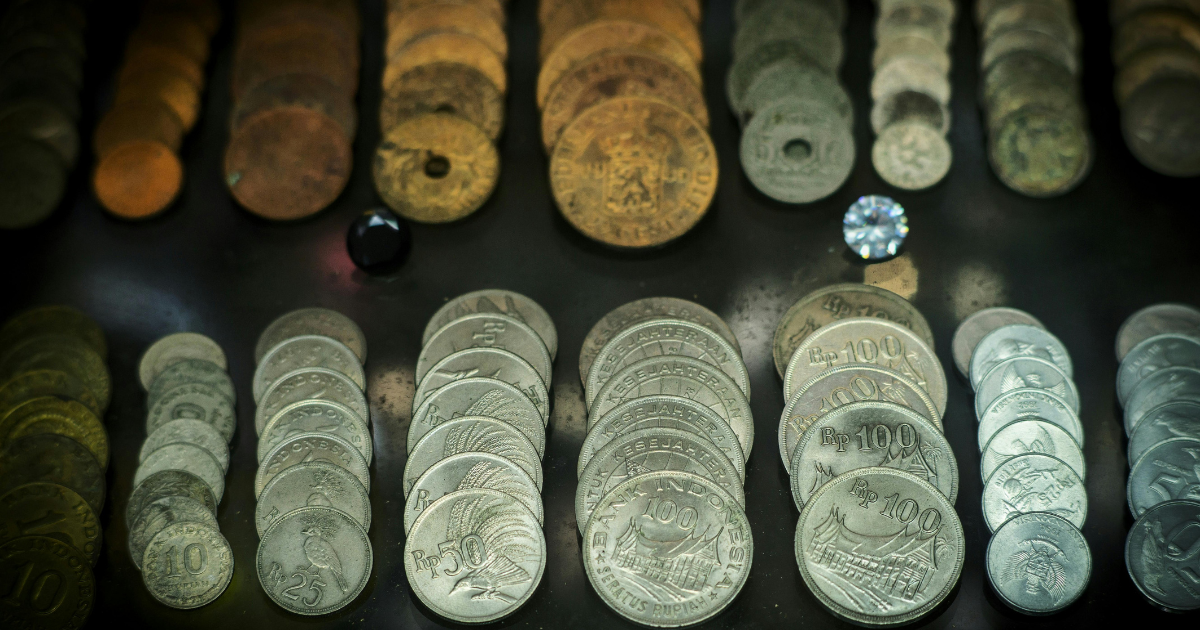
Each coin can carry clues about a country’s history, leaders, economy, art, and everyday life.
A child may start with a few coins from home, while an adult may build a collection over many years.
Visiting a coin store Sarasota can also give collectors a chance to learn how coins are dated, graded, identified, and valued.
The hobby can be educational without feeling like school.
It can also bring families together and give older generations a way to share stories with younger ones.
Whether you collect for history, learning, craftsmanship, or personal interest, coins offer something that many modern objects do not: a small, physical link to the past.
Let’s discover why it’s important.
1. Coin Collecting Preserves History
One of the biggest reasons why coin collecting is important is that coins help preserve history.
Coins have been used for thousands of years.
They often show:
- Kings, presidents, and other leaders
- National symbols
- Important events
- Religious or cultural images
- Dates and places
- Changes in government
A coin can tell you something about the time in which it was made.
For example, changes in a country’s design may reflect a new ruler, political change, or national event.
Unlike a history book that sits on a shelf, a coin is an actual object from the period being studied.
2. Coins Teach People About Other Cultures
Coins are not limited to one country.
A collection can include coins from different parts of the world, giving you a reason to learn about places you may never have visited.
You might notice:
- Different languages
- Different writing systems
- National symbols
- Famous buildings
- Animals and plants
- Different forms of currency
This makes collecting a hands-on way to learn geography and culture.
The American Numismatic Association describes numismatics as the study and collection of coins, paper money, tokens, and medals, showing that the hobby covers much more than simply gathering old coins.
3. Coin Collecting Builds Research Skills
A good collection usually starts with questions.
What year was this coin made?
Where was it produced?
What does the mint mark mean?
How many were made?
Why does this coin look different from another one?
Finding the answers to these encourages collectors to compare sources, study references, and pay attention to small details.
For children, this can turn a hobby into a useful learning activity.
They can practice reading, research, basic math, geography, and critical thinking without feeling like they are doing a worksheet.
4. It Can Teach Patience and Attention to Detail
Coin collecting rewards people who take their time.
Two coins may look almost identical but have different values because of a small difference in date, mint mark, condition, or design.
Collectors learn to look closely for details such as:
- Scratches
- Wear
- Mint marks
- Design differences
- Errors
- Signs of cleaning or damage
This can build patience and careful observation.
It also teaches an important lesson: small details can matter.
5. Coins Can Connect Different Generations
Another important reason why coin collecting is important is its ability to bring people together.
A grandparent may have collected coins for decades.
A parent may inherit that collection and later show it to a child.
That creates an opportunity to share stories.
A coin might remind someone of:
- A country they once visited
- A family member
- A historical event
- A childhood memory
- A gift they received years ago
The collection can become more than a group of coins.
It can become part of a family’s story.
6. Coin Collecting Teaches Basic Money Concepts
Coin collecting can also help people understand money.
Collectors often learn about:
- Face value
- Metal content
- Supply and demand
- Market prices
- Condition
- Rarity
- Buying and selling
This is especially useful for young collectors.
They begin to see that an item’s value is not always the same as the number printed on it.
For example, a coin with a face value of 25 cents could have a much higher collector value if it is rare or historically significant.
That does not mean every old coin is valuable.
Age alone does not determine value.
7. It Can Help Preserve Rare and Important Coins
Collectors also help keep coins from being forgotten or destroyed.
Rare coins can become damaged, lost, or discarded if people do not recognize their importance.
Collectors who store and care for them properly help preserve these objects for future generations.
The condition of a coin matters greatly in collecting.
Professional grading services assess factors such as condition and authenticity, helping collectors understand what they own.
That is one reason collectors should avoid cleaning old coins on their own.
Cleaning can damage the surface and may reduce a coin’s appeal to collectors.
Is Coin Collecting Only About Making Money?
No.
Some coins are valuable, but why coin collecting is important should not be measured only by potential profit.
A person may collect coins because they:
- Enjoy history
- Like beautiful designs
- Want to learn about other countries
- Enjoy finding unusual pieces
- Want a hobby they can share with family
- Appreciate craftsmanship
- Like preserving older objects
Some collectors never sell their coins.
Others eventually sell part or all of their collection.
If money is part of your goal, it helps to learn how coin values work before buying expensive pieces.
How to Start a Meaningful Coin Collection
You do not need a large budget to start.
Begin with a subject that interests you.
For example:
- Coins from your birth year
- Coins from different countries
- U.S. coins from a particular period
- Coins featuring animals
- Coins with unusual designs
- Historical coins
- A specific denomination
As your knowledge grows, you can become more selective.
If you plan to buy valuable coins, work with a trusted coin dealer who can explain the coin’s condition, authenticity, and pricing rather than focusing only on the sale.
For local collectors, a coin dealer Sarasota residents can visit may also provide opportunities to examine coins in person and ask questions about identification and value.
Conclusion
Coin collecting is more than keeping old coins in a box.
It can help you learn about history, understand different cultures, build research skills, and connect with family members across generations.
It also teaches patience and attention to detail while giving you a way to preserve pieces of the past.
You do not need a rare or expensive collection to benefit from the hobby.
Start with coins that interest you, learn the stories behind them, and build your collection at your own pace.
For many collectors, why coin collecting is important is because every coin has a story, and collecting helps keep those stories alive.