Can Invisalign cause TMJ? Learn about possible causes of jaw pain during treatment, common symptoms, and when to see your dentist or orthodontist.
You start Invisalign expecting straighter teeth, not a sore jaw.
So when your jaw starts clicking, feels tight, or hurts while chewing, you may wonder if your aligners are to blame.
Can Invisalign cause TMJ? Current research does not show that Invisalign directly causes temporomandibular disorders (TMD), but some people experience jaw discomfort during treatment.
Your jaw joint, chewing muscles, bite, stress levels, and habits like teeth clenching can all affect how your jaw feels.
The National Institute of Dental and Craniofacial Research (NIDCR) explains that research does not support the idea that orthodontic treatment causes TMD.
If you are considering Invisalign or already wearing aligners, it helps to know which symptoms are expected and which need attention. The timing of your pain matters, but it does not automatically mean your aligners caused it.
Can Invisalign Cause TMJ?
There is no strong evidence that Invisalign directly causes TMJ disorders.
TMJ stands for temporomandibular joint, the joint that connects your lower jaw to your skull. TMD refers to conditions that affect this joint and the muscles around it.
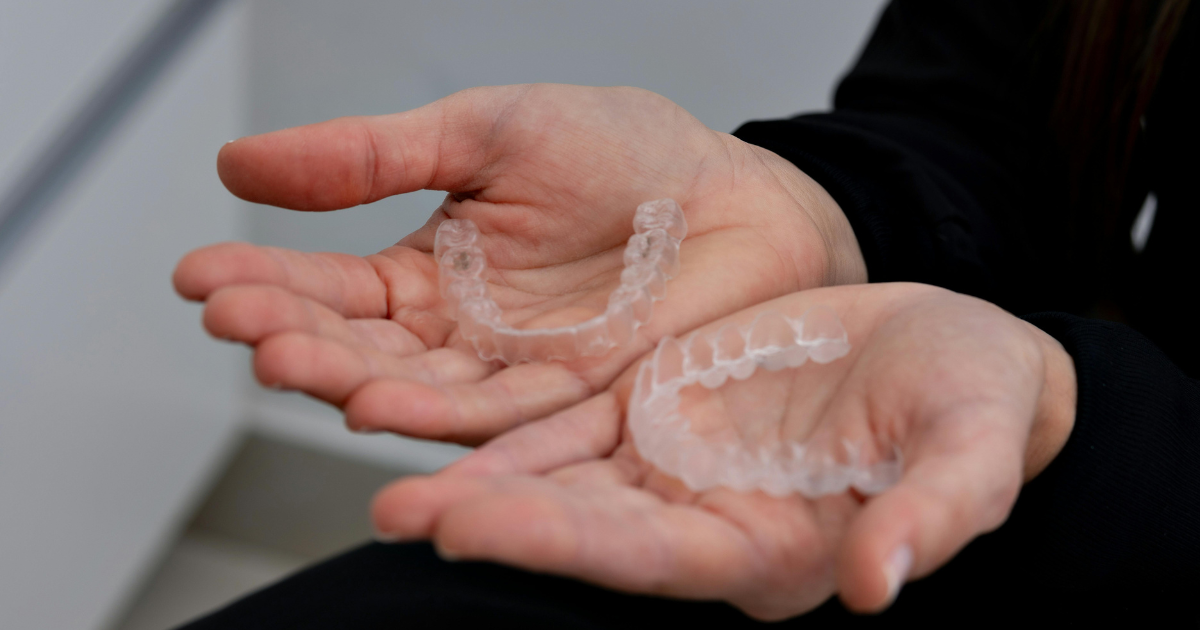
During Invisalign treatment, your teeth gradually move into new positions. You may notice pressure, tooth soreness, or temporary changes in how your teeth meet.
However, these changes do not automatically mean your jaw joint is damaged.
If jaw pain develops during treatment, possible causes include teeth clenching, muscle tension, an existing TMD, or another dental problem.
Why Can Your Jaw Hurt During Invisalign?
Several factors may explain jaw pain during treatment.
1. Changes in Your Bite
As Invisalign moves your teeth, the way your upper and lower teeth meet may change temporarily. This can make your bite feel different.
However, a changing bite does not necessarily mean your jaw joint is under harmful pressure. Your dentist or orthodontist can check whether your bite is progressing as planned.
2. Teeth Clenching
You may clench your teeth without noticing, especially during sleep or stressful moments. Clenching can strain the muscles around your jaw.
Possible signs include:
- Sore jaw muscles
- Headaches, especially in the morning
- Facial tenderness
- Pain when chewing
- Tightness around your temples
If these symptoms begin or worsen during Invisalign treatment, tell your dentist.
3. Pressure From New Aligners
A new set of aligners applies pressure to move your teeth. Some tooth soreness is normal, particularly when you switch to a new set.
However, tooth soreness is different from persistent jaw-joint pain.
Severe pain, jaw locking, or difficulty opening your mouth should not be dismissed as normal adjustment.
4. An Existing TMJ Disorder
TMD can develop before you start orthodontic treatment. Joint problems, muscle strain, injuries, and other factors may contribute.
If your jaw starts hurting after you begin Invisalign, the treatment may not be the cause.
A dental assessment can help identify what is happening.
What Are the Signs of TMJ Disorder?
Jaw clicking alone does not mean you have TMD. Painless clicking and popping are common and often do not require treatment.
According to the NIDCR, symptoms that may suggest TMD include:
- Pain in the jaw joint or chewing muscles
- Jaw stiffness or tenderness
- Difficulty opening or closing your mouth
- A jaw that locks
- Painful clicking or popping
- Pain that spreads to your face or neck
- Frequent headaches
If these symptoms persist or get worse, arrange an examination with your dentist.
Can Invisalign Help TMJ?
Invisalign is designed to straighten teeth and correct certain bite problems. It is not a standard treatment for TMD.
Some people report changes in jaw discomfort after orthodontic treatment, but research does not establish Invisalign as a reliable cure for TMJ disorders.
Your orthodontist should assess your teeth, bite, and jaw symptoms before recommending treatment. If you already have TMD, mention it before starting Invisalign.
Correcting your teeth may be appropriate for your dental needs, but it should not be presented as a guaranteed way to relieve jaw pain.
What Should You Do If Invisalign Hurts Your Jaw?
If your jaw hurts during treatment, do not ignore persistent symptoms.
Here are some steps you can take:
- Contact your dentist or orthodontist. Explain when the pain started and whether it occurs during chewing, sleeping, or wearing your aligners.
- Avoid chewing gum. Repeated chewing can strain an already sore jaw.
- Choose softer foods temporarily. This may reduce discomfort while chewing.
- Watch for clenching. Try to notice when you tighten your jaw during the day.
- Follow your treatment instructions. Do not change your aligner schedule or force a painful tray into place without professional advice.
The NIDCR recommends starting with conservative treatments for many TMD problems.
Depending on the cause, care may include self-care, jaw exercises, or physical therapy.
When Should You See a Dentist?
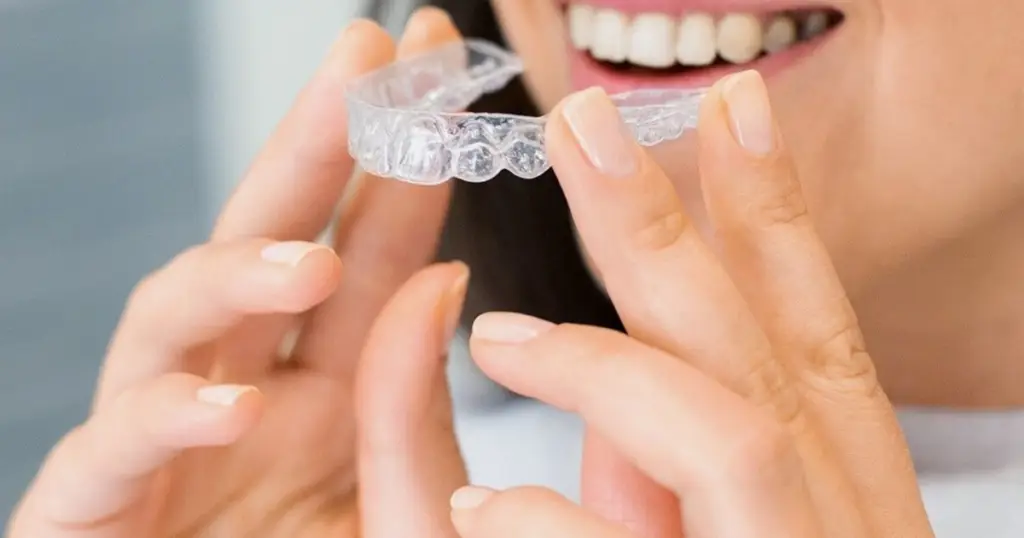
Contact your dentist or orthodontist if your jaw pain is persistent, severe, or getting worse.
Seek prompt care if your jaw locks, you cannot open your mouth normally, swelling develops, or pain makes eating difficult. A sudden change in your bite also deserves attention.
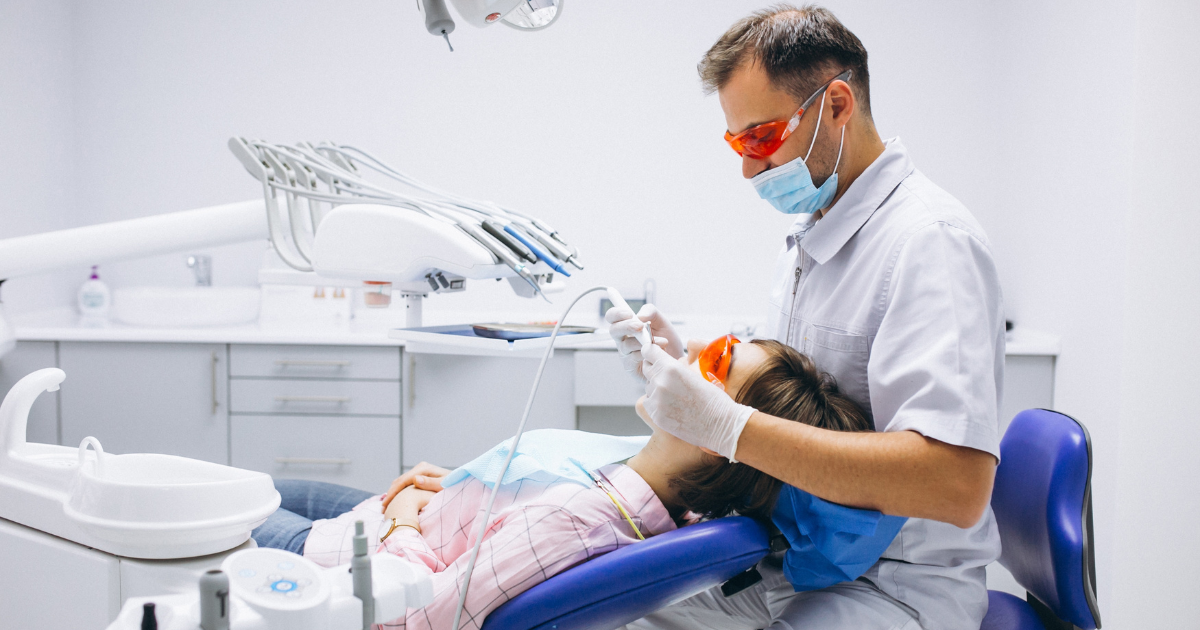
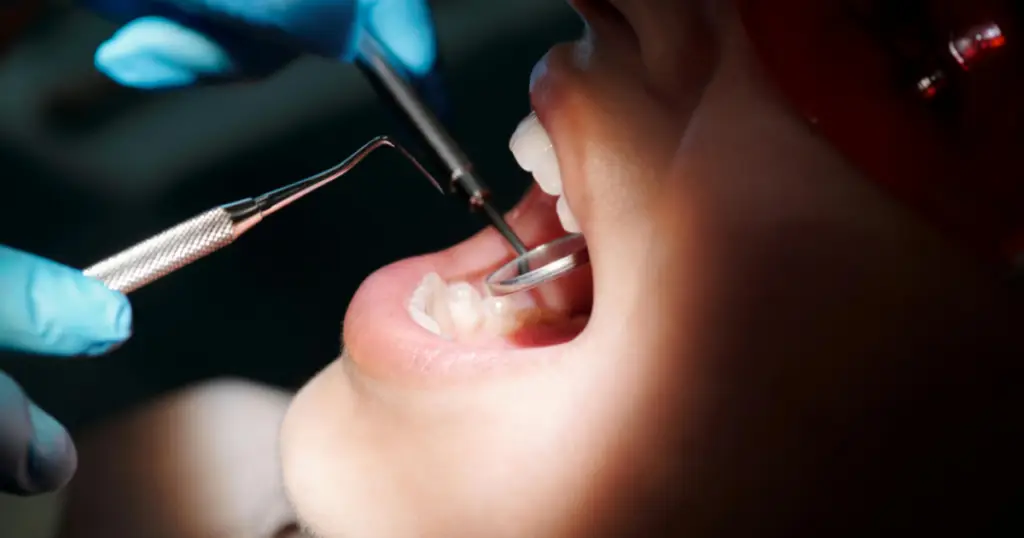
Your dentist may examine your jaw movement, chewing muscles, teeth, and bite. Imaging may be needed in some cases, depending on your symptoms and examination findings.
An accurate diagnosis matters because different causes of jaw pain may require different treatments.
Conclusion: Can Invisalign Cause TMJ?
Current evidence does not show that Invisalign directly causes TMD. However, jaw pain can occur during treatment and should be assessed if it persists or affects your daily life.
Clenching, muscle tension, an existing jaw disorder, and other dental problems may explain your symptoms.
The fact that pain started after you received your aligners does not prove they caused it.
If you already have jaw pain or develop new symptoms during treatment, speak with your dentist or orthodontist.
Getting the cause checked is the best way to protect your jaw health while working toward a healthier smile.