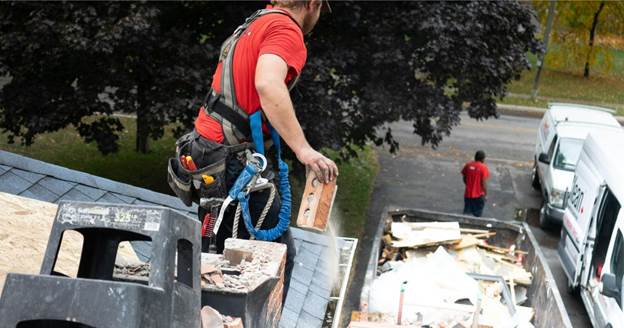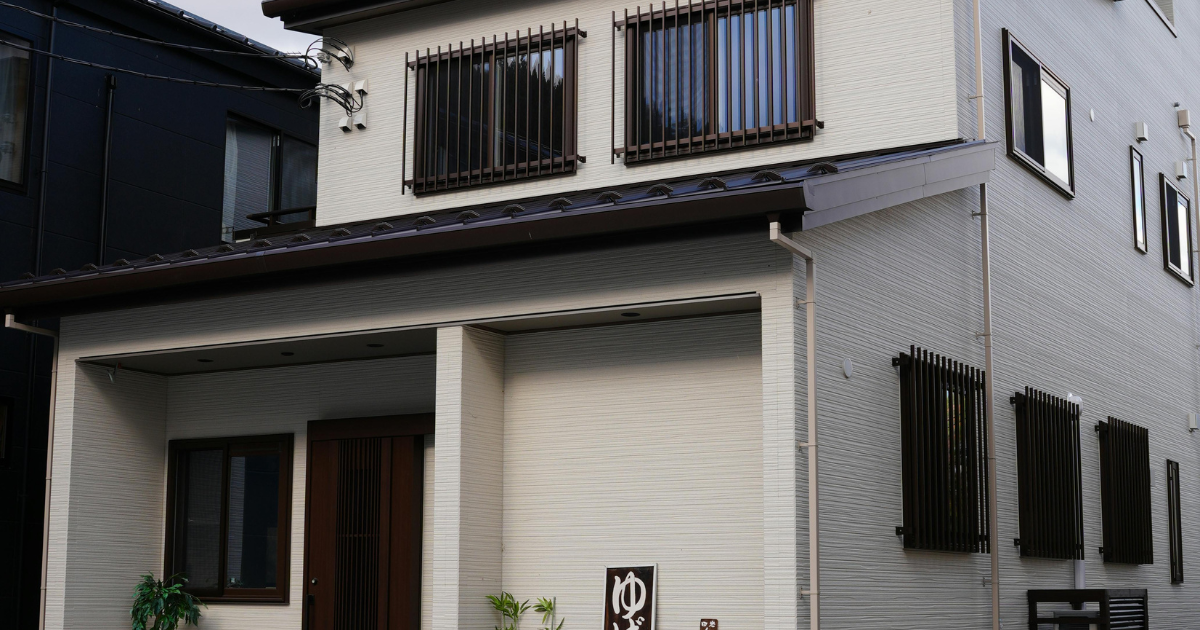
How often do house roofs need to be replaced? Learn how roof material, age, weather, damage, and maintenance affect replacement timing.
How often do house roofs need to be replaced?
There is no single number that applies to every home.
A roof’s useful life depends on its material, installation, maintenance, weather exposure, and current condition.
A roof can look fine from the ground while problems are developing underneath.
Small leaks, damaged flashing, worn roofing materials, and moisture in the roof deck can slowly turn into larger repairs.
The U.S. Department of Housing and Urban Development lists roofing as a building component with an estimated life of about 15 to 30 years, while stressing the need to inspect for missing or deteriorated shingles.
That range is not a deadline.
Some roofs need replacement sooner, while well-maintained systems can last longer.
The same principle applies to commercial properties, where services such as commercial roof repair College Station may address damage before a full replacement becomes necessary.
So, instead of replacing a roof based only on its age, it helps to look at the condition of the entire roofing system.
What Is the Typical Life of a House Roof?
Roof life varies widely by material.
Common examples include:
- Asphalt shingles: often around 15–30 years, depending on the product and conditions.
- Wood roofing: can last for decades when properly maintained.
- Metal roofing: can have a much longer service life than many basic shingle systems.
- Slate, clay, or concrete: these materials can last for many decades when properly installed and maintained.
HUD’s residential building guidance gives roofing an estimated life range of 15–30 years, but that figure should not be treated as a guarantee for every roofing material or property.
The age of your roof gives you useful context, but condition tells you more about whether replacement is actually needed.
What Can Shorten a Roof’s Life?
Several things can cause a roof to wear faster than expected.
1. Severe weather
Strong wind, hail, heavy rain, snow, ice, and extreme heat can all place stress on roofing materials.
The U.S. Department of Energy’s Building Science Education resources note that roof systems are particularly vulnerable to water intrusion around areas such as valleys, roof-wall intersections, and penetrations.
2. Poor installation
Even good roofing material can perform poorly when it is installed incorrectly.
Problems with flashing, underlay, drainage, fastening, or roof ventilation can reduce the system’s ability to keep water out.
3. Lack of maintenance
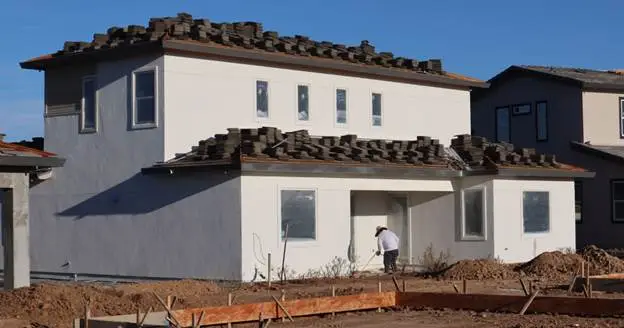
Small defects do not always stay small.
The EPA recommends regular roof inspections and says inspections should identify signs of weakness, deterioration, and needed repairs.
It also recommends additional inspections after heavy winds or rain.
4. Moisture problems
Water that gets beneath the roofing material can damage the roof deck and other parts of the building.
The EPA warns that uncorrected roof and ceiling problems can cause additional damage to the building envelope and interior.
Signs Your Roof May Need Replacement
Age alone does not mean you need a new roof.
Look for several warning signs together.
These can include:
- Frequent leaks in different areas
- Large areas of damaged or missing shingles
- Widespread curling, cracking, or deterioration
- Sagging sections of the roof
- Damaged or failing flashing
- Excessive granules collecting in gutters
- Repeated repairs that only provide short-term results
- Visible damage to the roof deck
- Moisture or water stains inside the home
The EPA recommends checking roof coverings for deterioration, loose or missing components, physical damage, and signs of moisture infiltration.
A roof with one damaged area may only need a repair.
A roof with widespread deterioration may be approaching the point where replacement makes more sense.
Repair or Replace: Which One Do You Need?
This is one of the most important questions homeowners face.
A repair may make sense when:
- Damage is limited to a small area.
- The main roofing material is still in good condition.
- The roof has useful service life remaining.
- Flashing or another individual component has failed.
Replacement may make more sense when:
- Damage is widespread.
- The roof is near the end of its expected service life.
- Leaks keep returning after repairs.
- The roof deck has significant damage.
- A large portion of the roofing material has deteriorated.
The goal should not be to replace a roof simply because it has reached a certain age.
A proper assessment should consider the condition of the roof as a whole.
Why Roof Inspections Matter Before Replacement
If you are unsure how often do house roofs need to be replaced, start with an inspection rather than guessing.
A professional assessment can look at:
- Roofing materials
- Flashing
- Valleys
- Roof edges
- Roof penetrations
- Gutters and drainage
- Visible roof-deck problems
- Signs of water entry
The Department of Energy notes that roof penetrations such as skylights, vents, and chimneys can create weak points where water may enter the building.
An inspection can therefore help answer a more useful question: Does this roof need replacement now, or can it continue with proper repairs and maintenance?
Does Roof Maintenance Really Extend Roof Life?
Maintenance cannot make an old or badly damaged roof new again, but it can help catch problems before they spread.
For example, repairing damaged flashing or addressing a small leak may prevent water from reaching parts of the roof assembly that are harder and more expensive to replace.
The EPA recommends regular maintenance and inspection of roof systems because moisture problems can lead to additional building damage.
For commercial properties, the same thinking applies.
A good commercial roofing contractor College Station may assess whether a commercial roof needs repair, maintenance, or a larger replacement project based on its actual condition.
Should You Replace a Roof Before It Starts Leaking?
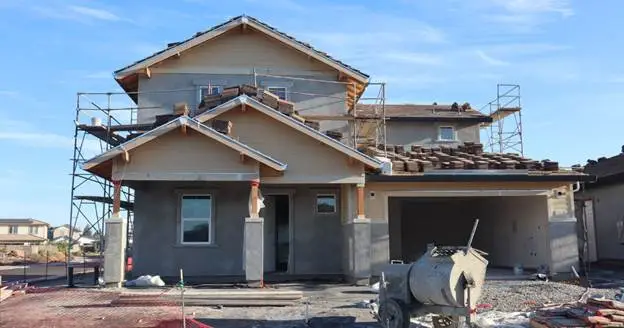
Waiting until there is serious water damage is not a good idea, but replacing a roof simply because it has reached an age range can also be unnecessary.
A better approach is to monitor:
- Roof age
- Material condition
- Previous repairs
- Weather exposure
- Leak history
- Flashing and drainage condition
- Roof-deck condition
These factors give you a much better picture than age alone.
Conclusion
So, how often do house roofs need to be replaced?
Many residential roofs fall within a broad 15- to 30-year range, but there is no universal replacement date.
The material, installation quality, maintenance, weather exposure, and present condition all matter.
If your roof is getting older, do not rely on age alone.
Look for visible deterioration, recurring leaks, damaged flashing, sagging, and other warning signs.
A professional inspection can help determine whether the right next step is repair, maintenance, or full replacement.
The best time to plan for replacement is before a minor roofing problem turns into major damage.