What to look for when choosing a solar installation company? Learn the factors that impact system quality and pricing before making your decision.
Nearly 4 million homes in North America now use solar energy, and that number continues to grow each year.
As more homeowners look for ways to lower energy costs, the demand for quality solar installations has increased as well.
Yet the company you hire can have a major impact on how much value you get from your investment.
Even the best solar equipment can underperform if it is installed incorrectly.
If you’re considering solar panels Edmonton, taking the time to evaluate installers carefully can save you money, stress, and future repair costs.
Knowing what to look for when choosing a solar installation company helps ensure your system performs efficiently for decades.
Why Choosing the Right Installer Matters
Solar is not a short-term purchase.
Most modern solar panels are designed to last 25 to 30 years, with many still producing electricity beyond that period.
Industry data shows that quality panels often retain 80% to 90% of their original output after 25 years.
That long lifespan means the installer matters just as much as the equipment itself.
A qualified company will:
- Design a system based on your home’s energy needs
- Follow local building and electrical codes
- Use proper mounting methods
- Help maximize energy production
- Provide long-term support
Many homeowners focus heavily on price.
While budget matters, the lowest quote is not always the best value.
Poor installation practices can reduce efficiency, increase maintenance costs, and create safety concerns later.
When researching what to look for when choosing a solar installation company, experience and reliability should be among your top priorities.
Questions About Experience and Credentials
Before signing any contract, ask detailed questions about the installer’s background.
Important questions include:
- How long has the company been installing solar systems?
- How many projects have they completed?
- Are their electricians properly licensed?
- Can they provide references from recent customers?
- Do they understand local permitting requirements?
A company with years of installation experience has likely encountered a wide range of roofing styles, electrical systems, and weather conditions.
That experience often leads to smoother installations and fewer surprises.
Look for companies willing to show examples of previous projects and explain their installation process clearly.
If answers seem vague or rushed, consider it a warning sign.
You should also verify whether the installer stays current with industry standards and manufacturer requirements.
Solar technology continues to evolve, and ongoing training helps installers deliver better results.
Questions About Equipment Quality
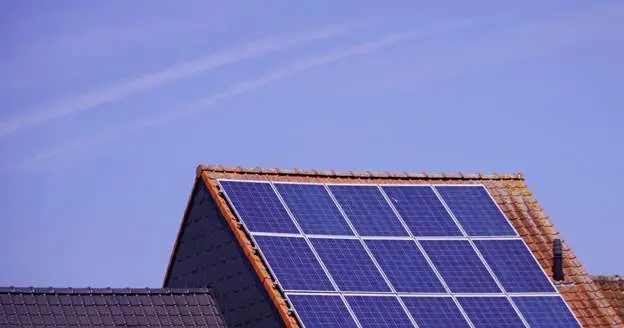
Not all solar panels and components are built the same.
Some installers use premium products with stronger warranties and lower degradation rates, while others may focus mainly on reducing upfront costs.
Ask about:
- Solar panel brands
- Inverter brands
- Mounting systems
- Performance ratings
- Product certifications
High-quality panels generally lose only about 0.25% to 0.5% of efficiency each year.
Lower-quality products may degrade more quickly over time.
The inverter deserves special attention because it converts solar energy into usable electricity for your home.
Since inverters often require replacement before the panels themselves, understanding warranty coverage is important.
If you’re comparing solar installation proposals in Edmonton, request a breakdown of every major component included in the system.
Transparency is usually a positive sign.
Understanding Warranties
One of the most important factors in choosing a solar installation company is understanding warranty protection.
There are typically three types of warranties:
Product Warranty
This covers manufacturing defects in the equipment itself.
Many solar panel manufacturers offer product warranties ranging from 10 to 25 years, with some premium options extending even longer.
Performance Warranty
Performance warranties guarantee that panels maintain a certain level of power production over time.
Many manufacturers guarantee that panels will still produce at least 80% to 90% of their original output after 25 years.
Workmanship Warranty
This warranty comes from the installer.
It covers installation-related issues such as mounting problems, wiring mistakes, or roof penetrations.
Always ask:
- How long does the quality warranty last?
- What is covered?
- What is excluded?
- How are claims handled?
A strong quality warranty often reflects confidence in the company’s installation quality.
Timeline and Project Expectations
Good installers set realistic expectations from the beginning.
Solar projects involve several stages:
- Site assessment
- System design
- Permit approvals
- Equipment ordering
- Installation
- Utility inspections
- System activation
Depending on local requirements, the process may take several weeks or even a few months.
Ask the installer for a written project timeline.
You should know:
- When work will begin
- How long installation will take
- What delays could occur
- When your system is expected to start generating power
Companies that communicate clearly throughout the process often provide a better overall customer experience.
When evaluating what to look for when choosing a solar installation company, communication skills are often overlooked but are extremely important.
Maintenance and Support Services
Solar systems generally require minimal maintenance, but support still matters.
Ask what happens if:
- Production drops unexpectedly
- Equipment fails
- Monitoring systems report errors
- Severe weather causes damage
Many reputable companies offer monitoring services that allow homeowners to track system performance.
Some installers also provide periodic inspections to identify potential issues before they become costly repairs.
If you’re exploring solar installation Edmonton, choose a company that remains available after installation rather than disappearing once the project is complete.
Remember that your relationship with the installer may continue for decades.
Red Flags to Watch For
Some warning signs should make you pause before signing a contract.
Watch for:
- High-pressure sales tactics
- Unrealistic savings promises
- Vague warranty information
- Limited company history
- Lack of references
- Extremely low pricing compared to competitors
- Poor communication
Be cautious of companies that guarantee exact savings figures without reviewing your energy usage or property conditions.
Solar performance depends on many factors, including roof orientation, shading, weather, and household energy consumption.
Trustworthy installers explain both the benefits and limitations of solar systems honestly.
This is another key factor when deciding what to look for when choosing a solar installation company because transparency often predicts the quality of future service.
Conclusion
Choosing a solar installer is one of the most important decisions in your solar journey.
The right company does more than place panels on a roof.
It helps design a system that fits your needs, installs it correctly, supports it over time, and stands behind its work.
As you evaluate your options, focus on experience, equipment quality, warranties, communication, and long-term support.
Ask detailed questions and take time to compare answers carefully.
A well-installed solar system can provide reliable energy savings for decades.
By knowing what to look for when choosing a solar installation company, you’ll be in a much stronger position to protect your investment and enjoy the full benefits of solar energy for years to come.