
Can translation be copyrighted? Learn who owns translation rights, when copyright applies, and how translators protect their work legally.
If you work with books, websites, business documents, or translated content, it’s expected to wonder: can translation be copyrighted?
Well, yes. In many cases, a translation can receive copyright protection because it involves creative choices made by the translator.
However, there is one important rule: if the original work is still protected by copyright, the translator usually needs permission from the copyright owner before creating or publishing the translation.
This issue affects authors, businesses, healthcare providers, and legal professionals who regularly work across languages.
For example, a company using medical translation services London may assume that paying for a translation means they automatically own it.
In reality, ownership often depends on contracts, permissions, and the copyright status of the original work.
As international communication grows, understanding translation copyright is becoming increasingly important.
Knowing who owns a translation can help prevent legal disputes and protect valuable content.
Why Copyright Law Protects Many Translations
A translation can be copyrighted because it is generally considered a derivative work.
A derivative work is a new creation that is based on an existing work.
While a translator follows the meaning of the original text, they still make many creative choices, including:
- Word selection
- Sentence structure
- Tone and style
- Cultural adaptation
- Contextual interpretation
Because of these creative decisions, copyright law in many countries recognizes translations as original works worthy of protection.
According to the World Intellectual Property Organization (WIPO), translations are typically protected as derivative works when they contain sufficient originality and are created with proper authorization from the copyright holder.
Why Translation Is More Than Just Replacing Words
Many people think translation is simply swapping one word for another. Professional translators know it is much more involved.
Consider this English phrase:
“It’s raining cats and dogs.”
A translator usually cannot translate those words literally. Instead, they must find an equivalent expression that makes sense in another language.
That decision requires judgment and creativity.
This is one reason courts often recognize translations as original works.
Even when two translators work from the same source document, they may produce noticeably different translations.
Who Owns the Copyright in a Translation?
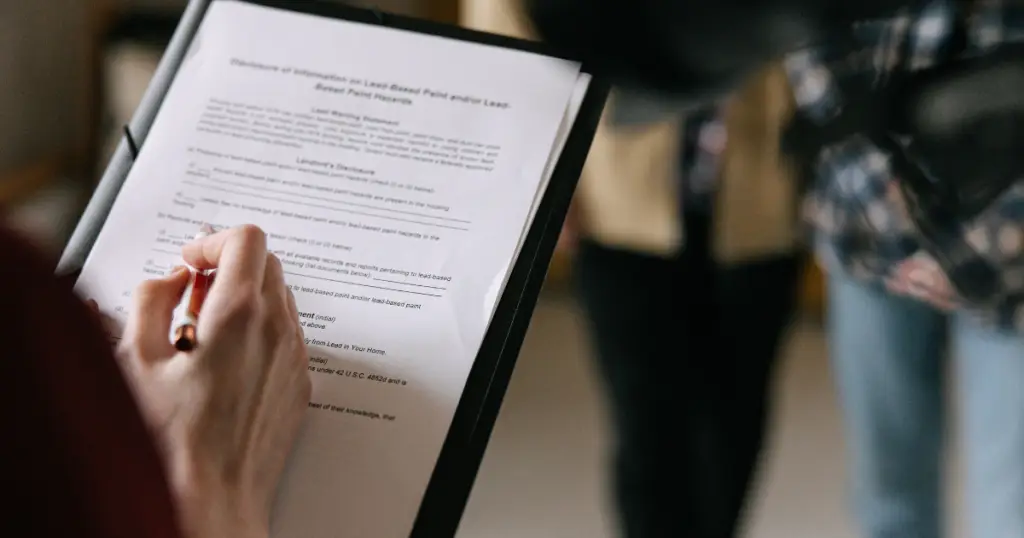
This is where things become more complicated.
Ownership depends on several factors.
Scenario 1: The Original Author Gives Permission
If the original copyright owner authorizes the translation, the translator may own copyright in the translated version, subject to the terms of the agreement.
In many projects:
- The original author owns the original work.
- The translator owns the translation.
- A contract determines how both rights are managed.
Scenario 2: Work-for-Hire Agreements
Many businesses hiring translation services London providers use contracts that transfer ownership.
In these cases:
- The translator completes the work.
- Copyright may automatically belong to the client.
- The agreement defines usage rights.
This is why written contracts are extremely important.
Scenario 3: Public Domain Content
If the original work is in the public domain, anyone can generally translate it.
Examples may include:
- Very old books
- Historical documents
- Government publications in some countries
In this situation, the translator’s version can often receive its own copyright protection because the original copyright has expired.
Can You Copyright a Translation Without Permission?
Usually, no.
This is one of the biggest misunderstandings surrounding translation copyright.
Even if a translator spends hundreds of hours creating a translation, they may not have enforceable rights if the original work was translated without authorization.
The translation itself may be considered an unauthorized derivative work.
The U.S. Copyright Office explains that derivative works generally require authorization from the copyright owner of the original work.
In practical terms:
- Translating a copyrighted novel without permission can create legal problems.
- Translating copyrighted website content without authorization can also create issues.
- Publishing unauthorized translations may expose individuals or businesses to infringement claims.
How Copyright Applies to Different Types of Translation
Here’s how:
1. Literary Translation
Books, novels, poems, and stories often receive strong copyright protection.
Publishers typically acquire translation rights before releasing foreign-language editions.
For example, if a bestselling novel is translated into Spanish, French, or German, permission from the copyright holder is usually required.
2. Legal Translation
Legal translation services London providers frequently handle contracts, court documents, and corporate records.
In many cases:
- The original document remains protected.
- The translated version may receive separate protection.
- Usage rights depend on agreements between parties.
3. Medical Translation
Healthcare organizations rely heavily on medical translation services London providers for:
- Patient records
- Clinical studies
- Medical reports
- Regulatory documents
These translations often involve copyrighted materials, confidential information, and strict ownership requirements.
Contracts generally specify who owns the finished translation.
4. Website Translation
Website translation creates another layer of copyright considerations.
When companies translate:
- Product pages
- Blog content
- Landing pages
- User guides
The translated content may receive protection, but authorization from the original copyright owner remains essential.
How Long Does Copyright Last for a Translation?
The answer depends on the country.
In many jurisdictions, copyright lasts for the life of the creator plus a number of years after death.
For example, many countries follow a term of:
- Life of the author
- Plus 70 years after death
The exact duration varies based on local copyright laws.
The World Intellectual Property Organization (WIPO) provides resources explaining how copyright terms differ across countries.
Can Two People Copyright Different Translations of the Same Work?
Yes.
This happens regularly.
Imagine two translators independently translating the same public-domain novel.
Each translation may:
- Use different wording
- Reflect a different style
- Adapt cultural references differently
As a result, each translator can hold copyright in their own version.
This is one reason why multiple translations of famous works often exist.
For example, many classic books have several translated editions available, each with unique wording and interpretation.
How Translators Protect Their Copyright
Professional translators often take several steps to protect their work.
These include:
1. Use Written Contracts
Contracts should clearly state:
- Who owns the translation
- Usage rights
- Payment terms
- Distribution rights
2. Keep Project Records
Maintaining records helps establish authorship.
Examples include:
- Drafts
- Emails
- Project files
- Delivery records
3. Register Copyright Where Available
Some countries allow voluntary copyright registration.
Registration can strengthen legal claims if disputes arise.
4. Define Licensing Terms
Instead of transferring ownership completely, translators may license specific rights to clients.
For example:
- One-time publication rights
- Regional rights
- Exclusive rights
- Non-exclusive rights
Common Myths About Translation Copyright
Myth 1: Translators Never Own Copyright
False.
Many translators own copyright unless a contract transfers ownership.
Myth 2: Translation Is Purely Mechanical
False.
Professional translation involves substantial creative judgment.
Myth 3: Paying for Translation Means You Automatically Own It
False.
Ownership depends on the contract, not simply payment.
Myth 4: Any Translation Can Be Published Freely
False.
Permission may still be required from the original copyright holder.
Conclusion
So, can translation be copyrighted?
Yes. A translation can often be copyrighted because it involves creative choices rather than just word-for-word replacement.
However, the translator usually needs legal permission to create the translation.
Whether you use translation services London or any other means, never assume ownership automatically.
The best approach is to get permission, use clear contracts, and define ownership before the project starts.