Do drywall contractors do insulation? Learn who installs wall insulation, when drywall contractors handle it, and how insulation fits into wall projects.
It is easy to assume that the person who installs your walls also installs everything inside them.
That is not always the case.
Dodrywall contractors do insulation?
Sometimes, but it depends on the contractor, the project, and local requirements.
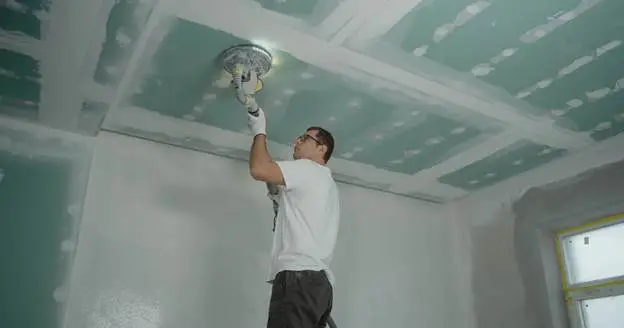
A drywall contractor mainly works on interior wall and ceiling systems.
That can include hanging panels, taping joints, applying joint compound, sanding, repairing damage, and matching textures.
Insulation is different because it sits inside or around the building envelope and helps control heat flow.
Still, the two jobs often happen close together during new construction or remodeling.
For example, before installing new drywall, the wall cavities may need insulation and inspection.
This creates a natural point for the drywall contractor and insulation installer to coordinate.
Knowing who handles each step can help you avoid gaps in the work and make sure the wall is finished properly
Do Drywall Contractors Do Insulation?
Some drywall contractors do insulation, but not all.
A drywall contractor may offer insulation as an added service, especially if the company handles several parts of interior construction.
Another contractor may focus only on drywall and leave insulation to a dedicated insulation company.
It is important to ask before work begins:
- Does the contractor install insulation?
- What types of insulation do they install?
- Is insulation included in the estimate?
- Who checks the wall cavities before closing the drywall?
- Will the work meet local building requirements?
Do not assume insulation is included just because a contractor is installing new drywall.
Why Is Insulation Installed Before Drywall?
The usual sequence for an exterior wall is roughly:
Framing → insulation → electrical and plumbing work → inspection → drywall → finishing → paint
The exact order can change depending on the project and local rules.
Insulation must be placed inside the wall assembly before drywall covers the framing.
Once the drywall is installed, reaching an empty wall cavity becomes much harder.
The U.S. Department of Energy explains that insulation helps slow heat transfer and that the recommended insulation level depends on factors such as climate zone and the part of the home being insulated.
What Types of Insulation May Be Used?
The type of insulation depends on the wall design, climate, budget, and project requirements.
Common options include:
Fiberglass
Fiberglass is widely used in wall cavities.
It comes in rolls or pre-cut batts and is designed to fit between framing members.
Mineral Wool
Mineral wool is another fiber insulation used in walls and ceilings.
It can also provide sound-control benefits.
Cellulose
Cellulose is often blown into wall cavities during retrofit work.
The Department of Energy lists cellulose, fiberglass, and foam among common insulation materials.
Spray Foam
Spray foam can provide both insulation and air-sealing in certain applications.
However, it requires proper installation because the material interacts with the rest of the wall assembly.
The best choice is not simply the insulation with the highest advertised R-value.
The entire wall system matters, including moisture control, air sealing, and installation quality.
What Is the Difference Between Insulation and Drywall?
These materials perform different jobs.
Insulation helps slow heat movement through the building envelope.
Drywall forms the finished interior surface of many walls and ceilings.
Think of a wall as a system rather than one material.
The insulation sits behind the drywall, while the drywall creates the interior surface you see and paint.
The Department of Energy notes that insulation and air sealing work together to improve comfort and reduce unwanted heat transfer.
This is why installing insulation correctly before closing the wall matters.
Can a Drywall Contractor Install Insulation During a Remodel?
Sometimes.
During a remodel, a drywall contractor may remove old drywall and find an empty, damaged, or poorly insulated wall cavity.
If the company offers insulation services, it may be able to install the new insulation before replacing the drywall.
In other cases, the drywall contractor may recommend a separate insulation professional.
This can be especially useful when:
- Exterior walls are being opened.
- A room is being remodeled.
- Old insulation is damaged.
- You notice cold or hot spots.
- You are improving sound control.
- The home has an energy-efficiency problem.
The Department of Energy recommends evaluating existing insulation and determining whether you need additional insulation, rather than automatically adding material everywhere.
Does Insulation Help With Energy Costs?
Proper insulation reduces heat transfer between conditioned indoor space and the outside.
ENERGY STAR says air sealing, combined with the right amount of insulation, can improve comfort and reduce energy use; it cites an EPA estimate of an average 15% reduction in heating and cooling costs, or about 11% of total energy costs, for certain home improvements.
However, insulation is only one part of the home’s energy performance.
Air leaks can also affect comfort and energy use.
The Department of Energy notes that gaps around plumbing, wiring, ducts, windows, and other openings can allow unwanted air movement.
What About Moisture Behind Drywall?
This is an important part of any insulation and drywall project.
Adding insulation without considering moisture and air movement can create problems in some wall assemblies.
Recent research shows that insulation can affect where condensation occurs inside a wall, so proper moisture control matters.
If a wall has a history of leaks, condensation, or dampness, fix the moisture source before closing the wall.
The EPA also recommends drying wet materials within 24–48 hours to help prevent mold growth.
Do Drywall Contractors Need Special Insulation Skills?
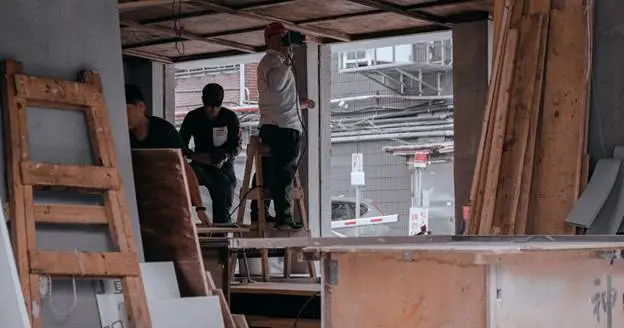
If a drywall contractor offers insulation, they should understand how the insulation fits into the complete wall system.
That includes:
- Correct placement
- Proper fit around framing
- Air sealing
- Moisture control
- Working around pipes and wiring
- Local code requirements
- Safe handling
Safety also matters.
OSHA notes that insulation work can involve hazards such as falls, electrical risks, ventilation concerns, respiratory exposure, and the need for personal protective equipment.
Fiberglass can also irritate the skin, eyes, and respiratory tract.
Should You Hire One Contractor for Both?
One company can handle both jobs if it has the right skills and licensing.
Potential benefits include:
- Fewer scheduling problems
- One point of contact
- Easier coordination
- A smoother handoff between insulation and drywall
- Potentially faster project completion
But hiring separate specialists can also make sense.
What matters most is knowing exactly who is responsible for the insulation, drywall, inspections, and finishing.
Conclusion
Do drywall contractors do insulation?
Some do, while others focus only on drywall installation and finishing.
If you are planning new construction or a remodel, ask about insulation before the drywall goes up.
Confirm what material will be used, where it will be installed, who is responsible for the work, and whether the project meets applicable local requirements.
Good coordination between insulation and drywall helps create a wall that is finished on the outside and properly built behind the surface.