Learn how a compactor operates, how vibration creates soil density, and how moisture, material, machine type, and operator technique affect results.
A compactor may look like a heavy machine that simply rolls or shakes over the ground, but how a compactor operates is more involved than that.
The machine does not just press soil down. It uses weight, vibration, impact, or a combination of these forces to push soil particles closer together and remove empty spaces between them.
That difference matters.
You can run a compactor over a work area for hours and still end up with weak soil if you use the wrong machine, compact material that is too wet, or work in layers that are too thick.
Whether you are preparing a driveway, trench, road base, patio, or building pad, the machine has to match the material and the job.
You may even see equipment such as Wacker Neuson being used on construction sites.
Still, the basic principle stays the same: apply controlled force until the material reaches the needed density and stability.
What Does a Compactor Do?
A compactor reduces the amount of empty space between soil, gravel, asphalt, or other loose materials.
Think about a bucket of dry rice. There are tiny spaces between the grains. If you shake the bucket, the grains settle closer together and the level drops.
Soil behaves in a similar way.
A compactor uses mechanical force to:
- Push particles closer together
- Reduce air spaces
- Increase soil density
- Improve load-bearing strength
- Reduce future settling
- Create a more stable surface
The goal is not simply to make the ground look flat. The real goal is to create a firm layer that can support whatever comes next.
How a Compactor Operates
The exact process depends on the type of machine, but most compactors work through one or more basic forces.
1. Weight applies pressure
The machine’s weight pushes down on the material.
This is known as static compaction. A heavy roller, for example, places a large amount of pressure on the surface as it moves across it.
Weight alone can work well for some materials, but many machines add vibration or impact to make compaction more effective.
2. Vibration moves the particles
Vibratory compactors use an internal mechanism that creates rapid movement.
That vibration travels from the machine into the ground. It helps soil or aggregate particles move and settle into a tighter arrangement.
This is one reason a vibratory plate compactor works well on materials such as:
- Sand
- Gravel
- Crushed stone
- Granular base
- Some mixed soils
The exact vibration frequency and force vary by machine.
According to the Federal Highway Administration (FHWA), factors such as machine weight, compacting energy, operating speed, vibration frequency, vibration amplitude, soil type, moisture, and support conditions can all affect compaction results.
3. Impact can compact difficult areas
Some compactors use repeated impact instead of mainly relying on vibration.
A jumping jack tamper is a good example. Its foot repeatedly strikes the ground, pushing energy into the soil.
This type of equipment is useful when you need to compact soil in narrow spaces, such as trenches.
It is especially handy where a larger roller or plate compactor cannot fit.
What Happens to Soil During Compaction?
To understand how a compactor operates, it helps to understand what happens below the surface.
Loose soil contains three basic parts:
- Soil particles
- Air
- Water
Compaction mainly reduces the air spaces between soil particles.
As the machine applies force, the particles move closer together. This increases dry density and usually improves the material’s ability to support loads.
However, there is a limit.
If soil contains too much water, the water can fill the spaces between particles and prevent them from locking together properly. If the soil is too dry, particles may also resist movement.
That is why moisture control matters.
Why Moisture Matters
You might think dry soil is always easier to compact. Not necessarily.
Many soils compact best when they contain the right amount of moisture.
A little moisture can help particles move into a tighter arrangement. Too much water, however, can make the material soft and unstable.
You may notice this when working after heavy rain. A machine can leave tracks or push soil around instead of producing a firm surface.
Watch for signs such as:
- Soil pumping or moving under the machine
- Deep tire or plate marks
- Mud sticking to the equipment
- The surface becoming soft instead of firm
If that happens, continuing to compact may make the problem worse.
Why Lift Thickness Matters
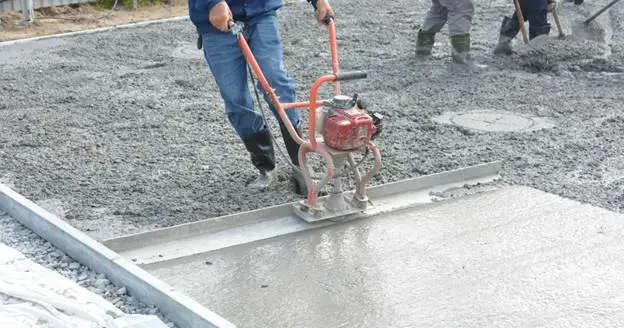
One common mistake is spreading a very thick layer of fill and expecting the compactor to handle all of it at once.
The force from a small compactor does not reach every part of a thick soil layer equally.
Instead, contractors normally place and compact material in lifts, meaning separate layers.
For example, FHWA guidance for certain backfill applications specifies compacted lifts of about 8 inches and notes that equipment should be selected based on the material and required density.
Your project specifications may require different lift thicknesses, so always follow them when they are provided.
Different Types of Compactors
Not every compactor works the same way.
Plate compactor
A plate compactor has a flat vibrating plate that contacts the ground.
It is commonly used for:
- Driveways
- Walkways
- Pavers
- Gravel
- Small trenches
- Base material
It works particularly well with granular materials.
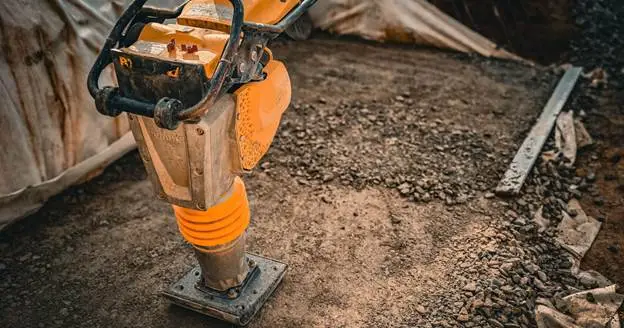
Jumping jack tamper
A jumping jack, also called a trench rammer, uses repeated impact from a small foot.
It is useful for compacting soil in tight areas, especially trenches.
Smooth-drum roller
A smooth-drum roller uses a heavy steel drum to apply pressure to the ground. Vibratory versions also use vibration.
These machines are commonly used on larger areas such as road bases and asphalt surfaces.
Sheepsfoot roller
A sheepsfoot roller has projecting feet on the drum.
Those feet knead and penetrate cohesive soils, making this type of roller useful for certain clay and fine-grained soils.
The right machine depends heavily on the material. A machine that works well on gravel may not be the best choice for wet clay.
How Many Passes Does a Compactor Need?
There is no universal number of passes.
You may hear someone say, “Just run it over the area four times.” That can be a useful starting point on some jobs, but it does not guarantee proper compaction.
The required number depends on:
- Soil type
- Moisture level
- Layer thickness
- Machine weight
- Vibration settings
- Operating speed
- Required density
FHWA guidance also shows that compaction requirements can be tied to a target density rather than simply a set number of passes.
For important construction work, field testing can confirm whether the material has reached the required density.
Common Compaction Mistakes
Knowing how a compactor operates also means knowing what can go wrong.
Avoid these common mistakes:
- Using the wrong machine
A plate compactor is not automatically suitable for every type of soil. - Compacting material that is too wet
Excess water can prevent proper soil bonding and density. - Using layers that are too thick
The lower part may remain loose even when the surface looks firm. - Moving too quickly
The machine may not have enough time to transfer its energy into the material. - Ignoring the project specification
Required density, moisture, lift thickness, and testing methods can vary by project. - Assuming a firm-looking surface is fully compacted
The surface can feel hard while deeper material remains loose.
Safety When Operating a Compactor
Compactors are powerful machines, even when they are small enough for one person to handle.
Keep people away from the machine’s operating path and maintain good visibility around the work area.
Be especially careful near:
- Trenches
- Slopes
- Walls
- Edges
- Other moving equipment
- Uneven ground
OSHA accident records include serious incidents involving workers being struck, crushed, or trapped by compacting equipment.
Before operating a machine, read its manual, inspect it, wear the required protective equipment, and make sure you understand its controls.
How to Get Better Compaction Results
For most jobs, a good process looks like this:
- Identify the material.
- Choose a compactor suited to that material.
- Prepare the surface before compacting.
- Place the material in suitable lifts.
- Check moisture conditions.
- Run the machine at the recommended speed and setting.
- Make enough passes to achieve the required result.
- Test the finished layer when the project requires it.
The biggest lesson is that more passes do not always mean better compaction.
Good results come from matching the machine, material, moisture, layer thickness, and operating method.
Conclusion
So, how a compactor operates comes down to controlled mechanical force.
The machine uses weight, vibration, impact, or a combination of these forces to move particles closer together, reduce air spaces, and increase the density and stability of the material.
But the machine itself is only part of the equation. Soil type, moisture, lift thickness, machine settings, operating speed, and the number of passes all affect the final result.
If you are compacting a driveway, trench, road base, or construction fill, take a few minutes to identify the material first.
Choosing the right compactor and using it correctly can save you from dealing with settlement, soft spots, and costly repairs later.