How do sewers not get clogged? Learn how pipe design, water flow, regular cleaning, and proper waste disposal help prevent sewer blockages.
You flush the toilet, wash the dishes, and take a shower.
All that wastewater disappears down the drain, yet you rarely think about where it goes.
Behind the scenes, a network of underground pipes carries it away every day.
So, how do sewers not get clogged when they handle waste from so many homes and buildings?
They depend on good pipe design, steady water flow, regular checks, and proper maintenance.
These measures help prevent waste from collecting inside the pipes.
When a blockage does happen, a drainage professional, such as an ontstoppingsbedrijf Utrecht (unblocking company Utrecht), may need to find the cause and clear it.
The key is that sewer systems are not left to clean themselves.
They need the right conditions and regular care to keep wastewater moving.
Sewer Pipes Are Designed to Keep Wastewater Moving
One major reason sewers do not clog easily is their design.
Most sewer pipes are laid at a slight downward angle.
This allows gravity to move wastewater towards larger pipes, pumping stations, or treatment plants.
Pipe size and slope also matter.
Engineers consider how much wastewater a sewer must carry and how quickly it needs to flow.
When wastewater moves too slowly, solid waste, sand, and grit can settle at the bottom of the pipe.
Over time, these materials may build up and reduce the space available for water to pass.
Engineers aim for a flow speed that helps carry these materials along.
This is often called self-cleansing flow. It does not mean pipes clean themselves completely.
It means their design helps reduce the amount of waste that settles inside.
The Ontario Ministry of the Environment’s sewer design guidelines explain how pipe slopes and flow velocities affect sewer performance.
They also highlight the importance of designing pipes to reduce the settling of solids.
Gravity and Water Flow Carry Waste Away
You may wonder how sewers do not get clogged when they carry wastewater from many homes at once.
The steady movement of water plays an important role.
Every time you flush a toilet, wash clothes, or use a sink, wastewater enters the sewer network.
It joins the flow already moving through the pipes.
However, gravity cannot solve every problem.
A damaged pipe, poor slope, or large amount of grease can still slow the flow and cause blockage.
Some areas also need pumping stations because the ground does not allow wastewater to move downhill naturally.
These stations use pumps to push wastewater towards their next destination.
The Government of Newfoundland and Labrador’s wastewater collection training resources state how wastewater systems work, including sewer design, pipe flow, pumping equipment, and common collection system problems.
Regular Sewer Cleaning Removes Waste Buildup

Even well-designed sewer pipes need cleaning. Grease, sand, dirt, and other materials can collect inside them over time.
Maintenance teams use different methods to remove this buildup before it causes serious problems.
Common sewer cleaning methods include:
- High-pressure water jetting: Strong water jets remove grease, dirt, and loose debris from pipe walls.
- Mechanical cleaning: Special rods and cutting tools remove roots and stubborn materials.
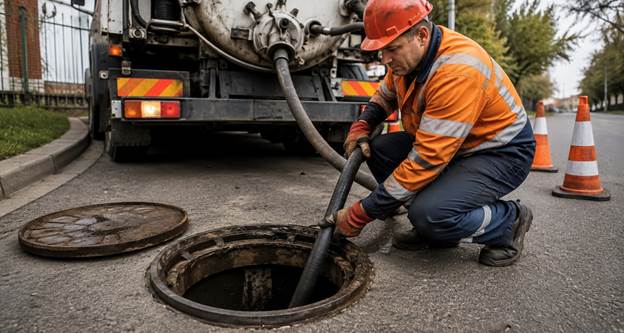
- Vacuum cleaning: Special trucks remove sludge and waste from manholes and other sewer structures.
- Pipe flushing: Water moves loose materials through the sewer system.
The US Environmental Protection Agency’s sewer cleaning and inspection fact sheet describes different cleaning methods, including mechanical rodding, flushing, and high-pressure jetting.
These methods help remove accumulated materials and maintain the capacity of sewer pipes.
Cleaning schedules depend on the condition of the pipes.
A sewer line with repeated blockages may need more attention than one that works properly.
Sewer Cameras Help Find Hidden Problems
Cleaning is useful, but workers also need to know what is happening inside underground pipes.
This is where CCTV sewer inspections help.
A small waterproof camera is attached to a cable and moved through the sewer line.
It sends live images to a screen, allowing workers to check the pipe without digging up the ground.
A camera inspection can reveal:
- Grease and dirt buildup.
- Tree roots growing through pipe joints.
- Cracks and broken pipe sections.
- Pipes that have shifted out of position.
- Low spots where water and waste collect.
This is important because not every blockage starts with something going down a drain.
Sometimes, the pipe itself is damaged.
Power and Water Corporation’s CCTV sewer inspection requirements explain how camera inspections help identify construction defects, internal obstructions, and other problems within sewer pipes.
Finding these issues early helps repair teams fix the cause instead of repeatedly clearing the same blockage.
Proper Waste Disposal Prevents Sewer Blockages
Sewer systems are built to carry wastewater and human waste.
They are not designed to handle every item you might want to throw away.
Some materials stick to pipe walls, while others become tangled and form large blockages.
Keep these items out of toilets and drains:
- Cooking oil, fat, and grease.
- Wet wipes, even those labelled flushable.
- Paper towels and tissues.
- Sanitary pads and tampons.
- Cotton buds and dental floss.
- Food scraps and coffee grounds.
Grease is a common problem because it can cool, harden, and stick to the inside of pipes.
Other waste can attach to it and make the blockage larger.
The City of Toronto’s guidance on what not to flush or pour down the drain explains how wipes, sanitary products, fats, oils, and cooking grease can damage pipes and contribute to sewer blockages.
You can help by collecting used cooking oil in a container and disposing of it properly.
Wipes and other bathroom products should also go into a waste bin, not the toilet.
Sewer Pipes Are Repaired When Damage Occurs
Cleaning removes waste, but it cannot fix a cracked, collapsed, or badly installed pipe.
Sewer maintenance teams also repair damaged sections, seal leaking joints, remove tree roots, and replace pipes that can no longer carry wastewater properly.
These repairs help prevent soil, stones, and roots from entering the sewer.
They also restore the space needed for wastewater to flow.
Without proper repairs, a small defect can lead to repeated blockages.
Fixing the damaged section is often better than paying to clear the same pipe again.
How You Can Help Keep Sewer Pipes Clear
Public sewer systems have maintenance teams, but your daily habits still matter.
Waste from your home can enter the wider sewer network through your drain connection.
Here are practical ways to reduce the risk of blockages:
- Keep grease out of the kitchen sink.
Allow cooking oil and fat to cool before putting them in a suitable container for disposal.
- Flush only toilet paper and human waste.
Put wipes and sanitary products in the bin.
- Use drain covers.
These catch hair and food scraps before they enter your pipes.
- Avoid pushing solid waste down drains.
Dispose of food scraps and other waste properly.
- Watch for warning signs.
Slow drains, gurgling sounds, bad smells, and water backing up may point to a blockage.
- Arrange an inspection when problems keep returning.
A camera inspection can help identify damage or stubborn buildup.
If you need riool ontstoppen Utrecht (sewer unblocking Utrecht), checking the cause is important.
Clearing the blockage without finding the reason may only provide temporary relief.
Can Sewer Systems Still Get Clogged?

Yes it can. No sewer system is completely protected from blockages.
Grease can collect inside pipes, tree roots can enter through cracks, and heavy rain can put extra pressure on systems that also carry stormwater.
Broken pipes, pump failures, and unsuitable waste can cause problems too.
The US Environmental Protection Agency’s report on sewer overflows and their causes discusses how blockages, grease deposits, root intrusion, and other sewer system problems can affect wastewater flow.
This shows why good design alone is not enough.
Sewer systems need regular cleaning, inspections, repairs, and responsible waste disposal to keep working properly.
Conclusion
So, how do sewers not get clogged?
They rely on sloped pipes, steady water flow, regular cleaning, inspections, and timely repairs.
Each part helps wastewater move through the system without allowing too much waste to collect.
You also have a role to play.
Keeping grease, wipes, and other unsuitable items out of your drains helps protect your home’s pipes and the wider sewer network.
If you notice slow drainage or repeated backups, act early before the problem becomes more serious.