Compare types of pool designs by shape, construction, depth, features, maintenance, and energy use before choosing a pool for your home.
Types of pools design can change more than the way your backyard looks.
The pool shape, construction material, depth, and features all affect how you use the pool, how much maintenance it needs, and how much space it takes.
A family that wants room for kids may need a different layout from a couple who mainly want a quiet place to relax.
A narrow backyard may also need a very different pool from a large, open yard.
There is no single pool design that works for every home.
The right choice depends on your space, lifestyle, budget, and how you plan to use the water and this source https://poolbuildersnewcastle.com/concrete-freeform-pools/ gives a clear guide.
Construction method matters too. Concrete, fiberglass, and vinyl-lined pools have different strengths and limitations.
Below are the main types of pools design to consider and the practical details that can help you make a better choice.
1. Rectangular Pool Design
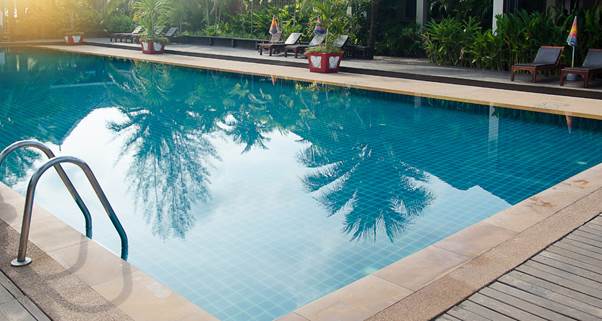
A rectangular pool is one of the most practical choices for homeowners who want a clean, structured layout.
It works well for:
- Lap swimming
- Family swimming
- Pool games
- Automatic pool covers
- Modern outdoor spaces
Straight sides also make it easier to plan surrounding paving, seating, and outdoor areas.
2. Freeform Pool Design
Freeform pools use curved edges rather than straight lines. They can make the backyard feel softer and more natural.
This style works particularly well when you want the pool to follow existing landscaping, gardens, rocks, or other outdoor features.
The trade-off is that irregular shapes can make some surrounding spaces and pool covers harder to plan.
3. Kidney-Shaped Pool
A kidney pool has a curved outline with a narrow section in the middle.
That shape can naturally create separate areas.
For example, one end could be used for deeper swimming while the other provides space for relaxing or sitting.
It can also work well when you want a pool that feels less formal than a rectangle.
4. Plunge Pool
A plunge pool is smaller than a traditional swimming pool and is designed mainly for cooling off, relaxing, and light swimming.
It can be a useful option when backyard space is limited.
A smaller pool also has less surface area and water volume, which can reduce some ongoing resource needs.
The U.S. Environmental Protection Agency’s pool water efficiency guidance explains how pool size, evaporation, and covers can affect water use and maintenance.
5. Infinity Pool
An infinity pool has one or more edges designed to create the appearance that water flows over the side.
This design is often chosen for homes with:
- Views over hills or water
- Sloping blocks
- Elevated outdoor areas
- A strong architectural style
However, the visual effect requires additional engineering and a catch basin or similar water-management system.
6. Concrete, Fibreglass or Vinyl?
Pool design is not only about shape. Construction material is another major decision.
· Concrete pools
Concrete offers a high level of design freedom.
The pool can be built around unusual yard shapes and can include features such as built-in seating, tanning ledges and custom steps.
The downside is that construction generally takes longer, and the surface requires regular care.
· Fibreglass pools
Fibreglass pools are manufactured before they arrive on site.
Their smooth surface can make routine maintenance easier, and installation can be faster than many custom-built options.
The main limitation is that you are choosing from manufactured shapes and sizes rather than creating almost any shape from scratch.
· Vinyl-lined pools
Vinyl-lined pools use a flexible liner over the pool structure.
They can offer a range of shapes and are often considered when upfront cost is an important factor.
The liner is a replaceable component, so future replacement needs should be included when comparing long-term costs.
Design Features That Matter
The best types of pools design are not just about appearance.
Think about how the pool will work every day.
Consider:
Pool depth: You may not need a deep pool if the main purpose is relaxing and family use.
Steps and entry: Wide steps can make getting in and out easier and can double as a sitting area.
Tanning ledge: A shallow ledge can provide a place to sit in the water without using a large section of the pool.
Lighting: Good lighting improves visibility after dark and can also add to the overall appearance.
Pool cover: Covers can reduce evaporation.
The EPA WaterSense guidance on pool covers reports that properly used pool covers can prevent up to 95% of pool water evaporation.
Pool pump: According to ENERGY STAR’s pool pump guidance, variable-speed and multi-speed pumps can adjust to different pool functions and help reduce energy use compared with conventional single-speed pumps.
Don’t Forget Safety
Safety should be included during the design stage, not added as an afterthought.
Pool barriers, gates, covers, alarms, safe access points, and suitable visibility around the pool all deserve attention.
The U.S. Consumer Product Safety Commission recommends layers of protection, including barriers that limit unsupervised access by young children.
Local building rules may also set specific requirements.
Water quality matters too.
The CDC recommends regularly checking pool chlorine and pH levels because proper water treatment helps reduce the risk of swimming-related illness.
Which Pool Design Should You Choose?
Start with how you will use the pool.
Ask yourself:
- How much backyard space do I have?
- Will the pool be used for exercise, family time, entertainment, or relaxing?
- Do I prefer straight or curved lines?
- How much maintenance am I comfortable doing?
- Do I want a custom shape or a manufactured pool?
- What safety and access requirements apply to my property?
- How will the pool affect water and energy use?
The right types of pools design should fit the home rather than forcing the backyard to fit the pool.
Before construction, also think about what happens around the pool.
Drainage, paving, landscaping, equipment access, fencing, and the position of the house can all affect the finished result.
If your project involves changes to the ground around an existing pool, planning the surrounding work properly is important.
For more info, you can also review this resource on how to take care of your pool.
Conclusion
Choosing between the different types of pool designs becomes easier when you look beyond the picture.
Shape, construction material, depth, maintenance, safety, water use, and equipment all affect how the finished pool performs.
A good pool design should look right in the backyard, but it should also make sense for the people who will use it.