What to expect at a casino restaurant, from menus and seating to service, food choices, payment, atmosphere, and planning your visit.
What to expect at a casino restaurant can be a little different from what you might expect at a regular restaurant.
You may be going there for dinner, meeting friends, or adding a meal to one of your casino nights out.
Either way, knowing how the experience usually works can make it feel more comfortable.
Picture this: you arrive, check the dining area, look through the menu, and find a table.
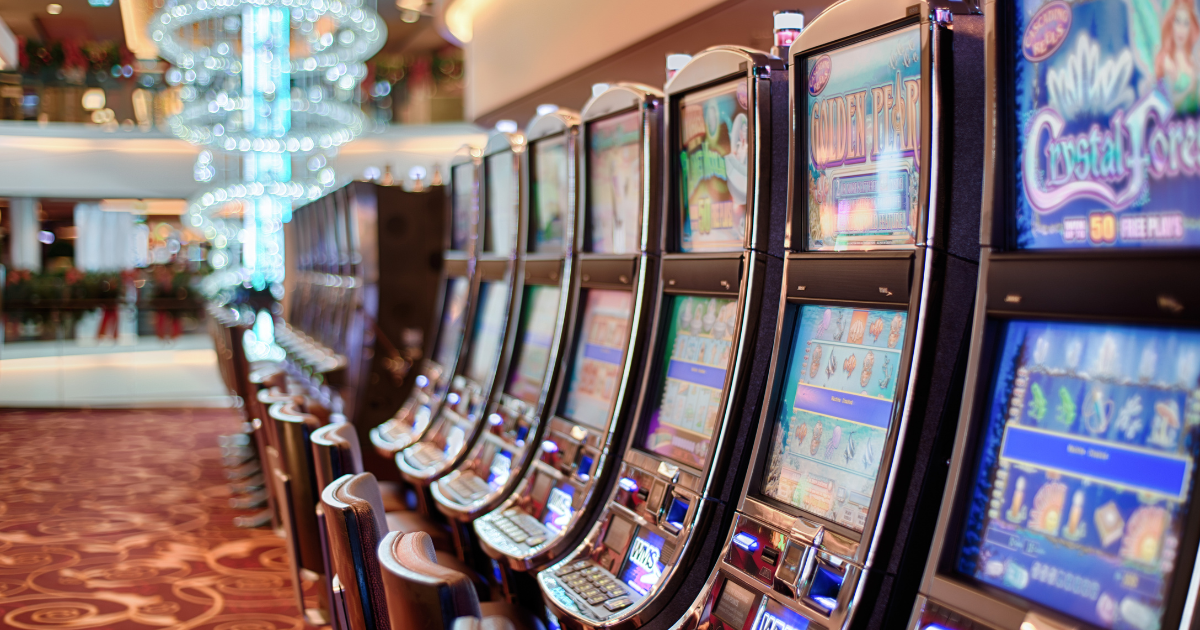
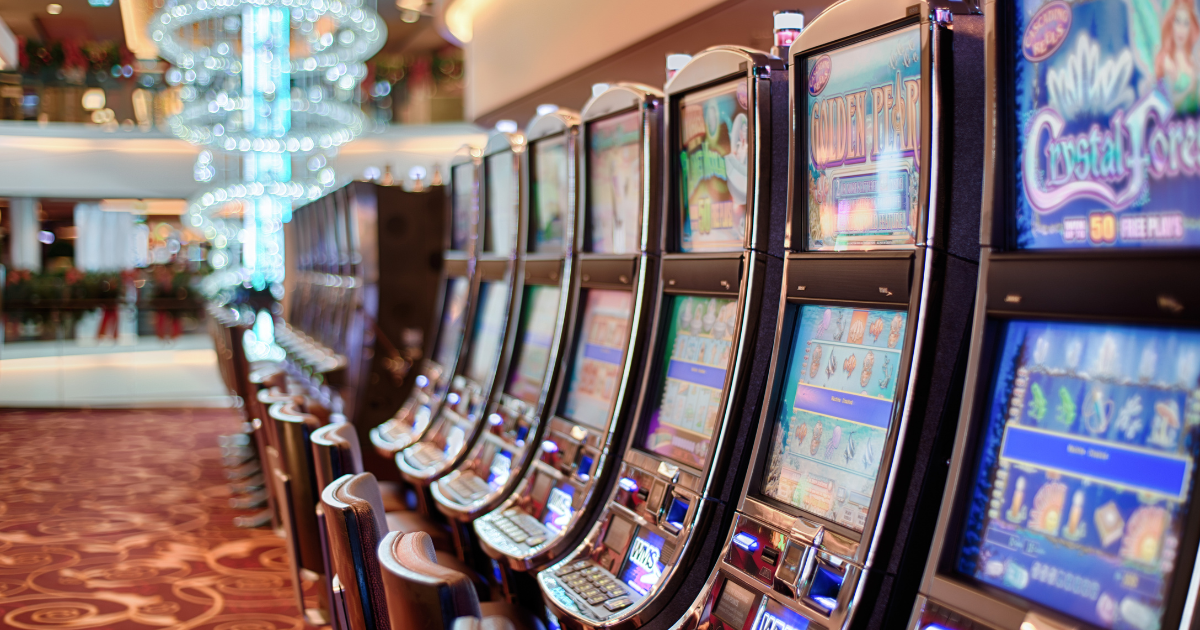
There may be more activity around you than in a quiet restaurant because the venue can include gaming and other entertainment nearby.
A casino Cork venue, for example, may combine dining with other parts of the entertainment experience.
The restaurant itself still has many familiar features: a menu, seating, servers, food preparation, payment, and rules around the dining area.
What changes is the setting and the range of things happening around you.
So, what should you expect from the moment you arrive until you finish your meal?
The Atmosphere May Be Livelier
A casino restaurant can have a more active atmosphere than a traditional restaurant.
You may notice:
- More background noise
- People moving between different areas
- Gaming activity nearby
- Groups meeting for meals
- A mix of casual and more formal dining
This does not mean every casino restaurant is loud or busy.
The atmosphere depends on the venue, restaurant style, time of day, and type of dining area.
If you prefer a quieter meal, it can be useful to ask about available seating before choosing a table.
You Can Usually Expect Regular Restaurant Service
The basic dining process is familiar.
You may:
- Check in or find your table.
- Receive a menu.
- Choose food and drinks.
- Place your order with a server.
- Wait while the kitchen prepares your meal.
- Receive your food.
- Pay when you finish.
Some venues may also offer counter service, buffets, shared plates, or other dining formats.
The important thing is to check the restaurant’s own procedures because service can differ from one venue to another.
Menu Can Offer Different Types of Food

Casino restaurants may serve a range of dishes rather than focusing on one type of food.
Depending on the restaurant, you might find:
- Starters and small plates
- Main meals
- Vegetarian options
- Desserts
- Snacks
- Soft drinks
- Coffee and tea
- Alcoholic drinks
If you have dietary restrictions, do not guess from the menu description alone.
Ask staff about ingredients and preparation.
The Food Standards Agency explains that food businesses have responsibilities around providing allergen information, while customers with allergies should make sure they have the information needed to make safe choices.
Ask About Allergens Before Ordering
This is especially important if you have a food allergy.
An ingredient may not always be obvious from a dish’s name.
Sauces, dressings, toppings, marinades, and cooking ingredients can contain allergens.
Before ordering, you can ask:
- Does this dish contain my allergen?
- What ingredients are in the sauce?
- Is the dish prepared separately?
- Can an ingredient be left out?
- Can staff confirm the allergen information?
Do not feel awkward about asking.
Food allergy information exists to help people make informed choices.
The FDA also notes that food allergies can cause serious reactions and identify major allergens that consumers need to be aware of.
Food Safety Still Matters
Being inside a casino does not change the basic principles of safe food handling.
Restaurants need systems for food storage, preparation, cooking, cleaning, and temperature control.
The FDA Food Code provides a model for jurisdictions that regulate food service establishments and is designed to help protect public health.
As a customer, you can also take sensible steps.
The CDC recommends checking restaurant inspection information where available, making sure food is served at appropriate temperatures, and handling leftovers properly.
If something about your food seems wrong, speak to the server rather than simply eating it.
Seating May Depend on the Type of Restaurant
Not every casino restaurant will use the same seating setup.
You may find:
- Standard dining tables
- Booths
- Bar seating
- Larger tables for groups
- Accessible dining spaces
- Outdoor seating where available
If accessibility matters to you or someone in your group, check before visiting.
The U.S. accessibility guidance for businesses open to the public includes restaurants and addresses access to dining areas, tables, service counters, and other parts of the customer experience.
Accessibility rules vary by country, so check the requirements that apply to the venue you plan to visit.
Payment May Include More Than the Menu Price
Before ordering, look at the menu for the prices and any information about additional charges.
Depending on the venue, your final bill may involve:
- Food prices
- Drinks
- Service charges
- Taxes
- Optional tips
These practices vary by restaurant and country.
If you are unsure about a charge, ask before paying.
It is much easier to understand the bill before the transaction is completed.
What Should You Check Before Visiting?

A few minutes of planning can prevent surprises.
Before going, check:
- Menu: Are there foods you want to eat?
- Prices: Do they fit your budget?
- Opening arrangements: Is the restaurant operating when you plan to visit?
- Dress expectations: Is there a dress code?
- Reservations: Does the restaurant require or recommend booking?
- Dietary needs: Can staff provide the information you need?
- Accessibility: Can everyone in your group comfortably use the dining area?
- Payment: What payment methods are accepted?
These details can vary between venues, so the restaurant’s own information is the best place to confirm them.
Conclusion
What to expect at a casino restaurant is usually a familiar dining experience in a setting that may also include gaming and other entertainment.
You can expect a menu, seating, food service, payment, and standard dining procedures, while the atmosphere may be more active than a typical restaurant.
For better experience, check the menu and prices beforehand, ask about allergens when needed, consider accessibility, and understand any additional charges before paying.
Most importantly, remember that you can enjoy the dining experience on its own.
A good meal does not need to depend on what happens anywhere else in the venue.