How many mold spores are dangerous? Learn which levels affect health, and when you should schedule a mold inspection to protect your home’s air quality.
You may not see mold growing in your home, but that does not mean the air is clean.
Mold spores float through the air every day, and when moisture builds up indoors, those spores can multiply fast.
That becomes a problem for your health and your home.
Many people start worrying after smelling a musty odor, spotting stains on the walls, or experiencing coughing and allergies that seem worse indoors.
The challenge is that dangerous mold levels are not always visible. Even a small hidden leak can raise spore levels behind walls or under floors.
That is why proper mold testing matters.
If you suspect indoor mold issues, professional mold testing Los Angeles services can help identify unhealthy spore levels before the problem spreads further.
Understanding how many mold spores are dangerous can help you know when normal exposure becomes a serious indoor air quality issue.
Key Takeaways
- Mold spores exist naturally indoors and outdoors.
- High indoor spore counts may affect breathing and overall health.
- Indoor mold levels should usually stay lower than outdoor levels.
- Some people react to mold faster than others.
- Moisture problems are the biggest cause of indoor mold growth.
- Professional mold inspection services help locate hidden mold and poor air quality.
How Many Mold Spores Are Dangerous?
There is no single number that becomes dangerous for everyone.
A healthy adult may tolerate certain mold levels, while a child or someone with asthma may react quickly.
Most air tests measure spores per cubic meter of air.
Many inspectors use these general ranges during evaluations:
| Mold Spore Count | Concern Level |
| Below 500 spores/m3 | Usually normal |
| 500 to 1,500 spores/m3 | Moderate concern |
| 1,500 to 10,000 spores/m3 | High concern |
| Over 10,000 spores/m3 | Serious contamination likely |
The bigger concern is often whether indoor levels are higher than outdoor levels.
According to the Centers for Disease Control and Prevention (CDC), mold exposure may cause symptoms such as coughing, wheezing, nasal congestion, skin irritation, and eye irritation.
Why Mold Spores Become Dangerous Indoors
Mold needs moisture to grow. Once water damage or humidity enters the picture, spores can spread quickly through the air.
Common causes include:
- Roof leaks
- Burst pipes
- Flooding
- Poor bathroom ventilation
- Damp basements
- Air conditioning leaks
When mold grows indoors, spores continue circulating through rooms and HVAC systems.
Over time, this can affect indoor air quality throughout the property.
The Environmental Protection Agency (EPA) explains that controlling moisture is the key to preventing mold growth indoors.
Types of Mold That Often Cause Problems
Not all mold affects people the same way.
Some molds mainly trigger allergies, while others may produce toxic compounds called mycotoxins.
Common indoor molds include:
- Aspergillus. Often linked to respiratory irritation and allergic reactions.
- Cladosporium. Frequently found on fabrics, carpets, and wood surfaces.
- Penicillium. Spreads quickly after water damage and can move through air easily.
- Stachybotrys Chartarum. Often called black mold. This mold grows in areas with long-term moisture exposure.
TheEPA notes that any indoor mold growth should be addressed, regardless of the mold type.
Signs Mold Spore Levels May Be Too High
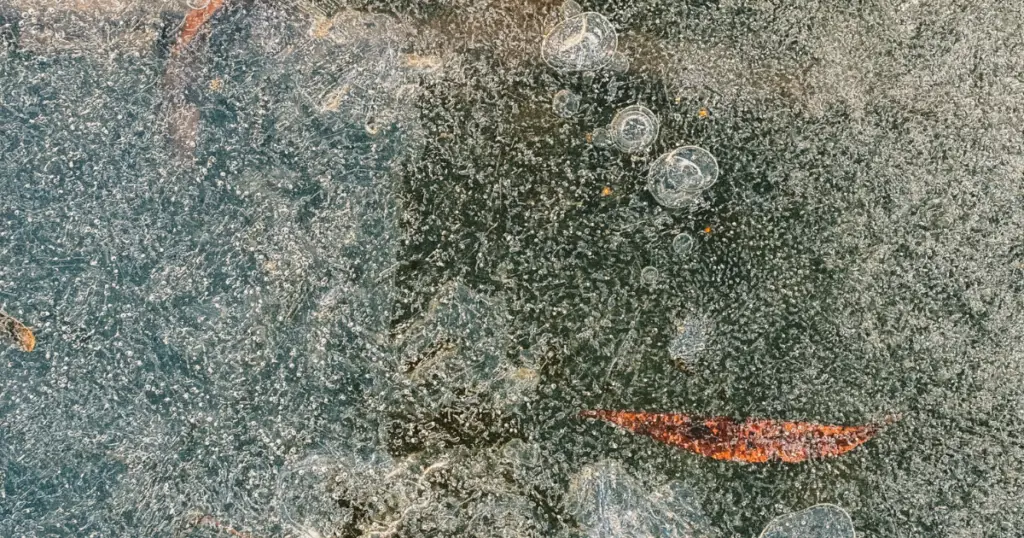
You do not always see mold right away. Many infestations stay hidden behind walls or under flooring for months.
Here are some warning signs to watch for.
Musty Smells
A damp, earthy odor is one of the most common signs of active mold growth.
Health Symptoms Indoors
Some people notice symptoms like:
- Sneezing
- Coughing
- Sinus pressure
- Headaches
- Itchy eyes
- Wheezing
If symptoms improve after leaving the house, mold exposure may be part of the issue.
Water Damage Stains
Discoloration on ceilings, walls, or baseboards may point to hidden moisture problems.
High Humidity
Indoor humidity above 50% creates a better environment for mold growth.
Who Is Most Sensitive to Mold Exposure?
Certain groups face higher risks from mold spores.
These include:
- Children
- Older adults
- People with asthma
- People with allergies
- Anyone with weakened immune systems
Research published by the National Institutes of Health found strong links between damp indoor environments and respiratory problems.
Even lower mold levels can trigger reactions in sensitive people.
I once spoke with a homeowner who thought seasonal allergies were causing her constant coughing.
A mold inspection later revealed hidden moisture under her bathroom flooring after a slow plumbing leak.
Once the damaged materials were removed, her symptoms improved within weeks.
How Mold Inspection Services Test Spore Levels
Professional mold inspection services use several methods to measure contamination and locate hidden mold.
- Air Sampling. Inspectors compare indoor air samples with outdoor samples to see whether indoor levels are elevated.
- Surface Sampling. Swab or tape tests help identify the type of mold growing on surfaces.
- Moisture Detection. Moisture meters and thermal imaging cameras help locate hidden damp areas.
- HVAC Inspection. Heating and cooling systems can spread spores throughout the building if contamination reaches the ductwork.
Good inspections focus on both the mold and the moisture source causing the growth.
Can Small Mold Problems Still Be Dangerous?
Yes. Even small mold growth can still cause ongoing exposure if spores continue to spread through the air.
The National Institute of Environmental Health Sciences explains that mold exposure may contribute to:
- Chronic coughing
- Skin irritation
- Nasal congestion
- Eye irritation
- Asthma flare-ups
A small hidden leak behind drywall may release spores for months before visible mold appears.
That is one reason many homeowners underestimate mold problems early on.
When You Should Schedule Mold Testing
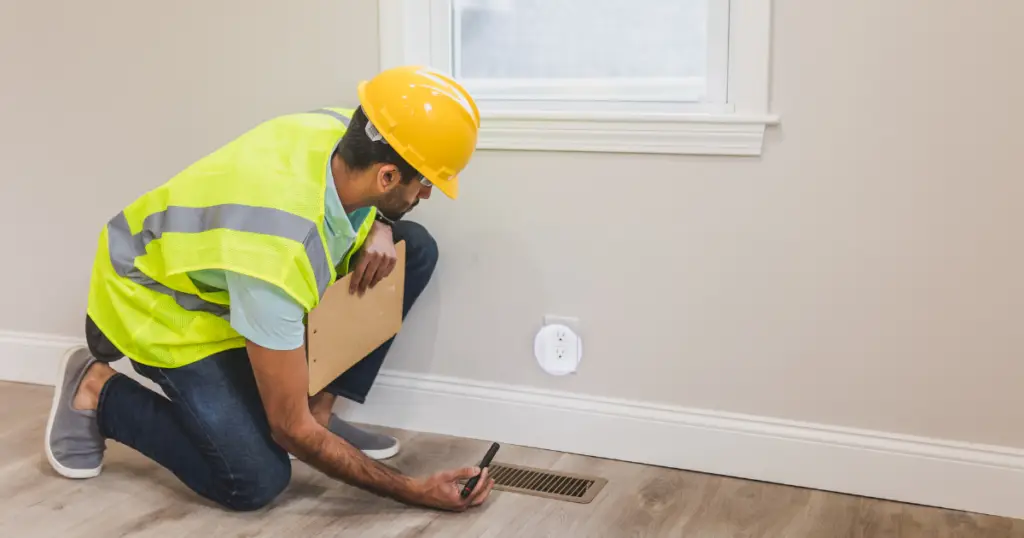
You should consider professional testing if:
- You smell mold but cannot find the source
- Your home recently flooded
- You notice recurring allergy symptoms indoors
- Water damage was not dried properly
- You are buying or selling a home
- Your HVAC system smells musty
Professional mold testing providers in Los Angeles often uncover hidden mold in walls, crawl spaces, and air systems that homeowners rarely check.
How to Reduce Mold Spores in Your Home
Reducing mold exposure starts with moisture control.
Here are practical ways to lower indoor spore levels:
- Fix Leaks Quickly. Mold can begin growing within 24 to 48 hours after water exposure.
- Use Exhaust Fans. Bathrooms and kitchens need proper airflow to reduce humidity.
- Keep Humidity Below 50%. Dehumidifiers can help in damp rooms and basements.
- Replace Damaged Materials. The EPA warns that porous materials like drywall and carpet may need replacement if mold growth becomes severe.
- Change HVAC Filters Often. Clean filters help reduce airborne particles and spores indoors.
Conclusion
So, how many mold spores are dangerous? The answer depends on the mold type, the spore concentration, and your health condition.
What matters most is whether mold is actively growing indoors and affecting your air quality.
If indoor spore levels are rising due to leaks, flooding, or hidden moisture, the problem can spread faster than many homeowners expect.
Catching mold early can help protect both your property and your health.
Professional mold inspection services help identify hidden contamination, test indoor air quality, and locate moisture problems before they become larger and more expensive to fix.