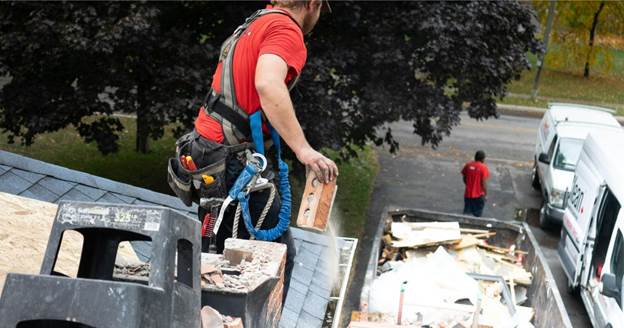
Learn how does solar hot water work in winter, what happens on cloudy days, and when repairs or backup systems keep hot water flowing.
If you live on the Gold Coast, winter mornings can feel sharper than expected.
You step into the shower, turn the tap, and hope your system has done its job overnight.
That’s when the big question comes up for many homeowners.
How does solar hot water work in winter, and can you really rely on it when the sun feels weaker?
I’ve worked with enough households to know this concern is real.
Solar hot water systems do work in winter, but not in the way many people imagine.
Once you understand how the system actually collects and stores heat, it becomes clear why most homes still get reliable hot water year-round.
Let’s start with the basics.
How a Solar Hot Water System Works All Year
Before winter makes things feel uncertain, it helps to understand how the system works on any day.
A standard solar hot water system has three main parts:
- Solar collectors on your roof
- A storage tank that holds heated water
- A booster for backup heating when needed
Here’s what happens:
- Sunlight hits the collectors.
- The collectors absorb heat, not light.
- That heat warms the water or fluid inside the system.
- Heated water enters the tank and remains there until you use it.
This process does not stop just because the air feels cold.
Does Solar Hot Water Still Work in Winter?
Yes, it does. The key thing to understand is this. Solar hot water systems respond to sunlight, not air temperature.
Even on cold days, sunlight still carries heat energy.
In winter:
- The sun sits lower in the sky.
- Days are shorter.
- There may be more cloud cover.
But solar collectors are designed to capture available heat efficiently, even when conditions are not perfect.
That’s why many homes still get warm or hot water on clear winter days.
How Solar Collectors Handle Cold Weather

Modern systems use either flat-plate or evacuated-tube collectors.
Flat Plate Collectors
These are the most common on Australian homes.
They work by:
- Using dark absorber plates to trap heat
- Covering the plate with glass to reduce heat loss
- Insulating the back to keep warmth inside
They still perform well in winter sunlight, especially in sunny regions like the Gold Coast.
Evacuated Tube Collectors
These are even more effective in colder weather.
They:
- Use vacuum-sealed tubes
- Reduce heat loss to the surrounding air
- Perform better on cold and cloudy days
Both designs are built with winter performance in mind.
What Happens on Cloudy or Rainy Winter Days?
Clouds block direct sunlight, but they do not block all solar energy.
Solar collectors can still absorb:
- Diffused sunlight
- Reflected light from clouds
That said, output is lower on heavily overcast days.
This is where the booster system becomes important.
The Role of the Booster in Winter
Every compliant solar hot water system in Australia includes a booster. This is not optional. It is required so you always have hot water.
Boosters can be:
- Electric
- Gas
In winter, the booster:
- Activates when water temperature drops below a set level
- Heats only what is needed
- Works automatically in most systems
So when someone asks how does solar hot water work in winter, the honest answer includes the booster doing part of the work on colder days.
Why Your System Might Struggle in Winter
If your hot water runs out too often during winter, the cause is usually not just the weather.
Common issues include:
- Faulty thermostat
- Broken circulation pump
- Leaking collectors
- Failing booster
- Poor system sizing for household use
This is why early checks matter.
If you wake up to cold water unexpectedly, solar hot water repair Palm Beach services can help identify the problem before it turns into a full system failure.
Winter Hot Water Usage Habits That Matter
Winter changes how households use hot water.
You may notice:
- Longer showers
- More hot water for dishes
- Extra laundry cycles
- Higher demand in mornings and evenings
Solar systems rely on stored heat. If the tank empties faster than it reheats, the booster has to work harder.
Simple habits help:
- Space out showers
- Run dishwashers during warmer daylight hours
- Avoid heavy hot water use late at night
How Long Does Solar Heated Water Stay Hot?
Storage tanks are heavily insulated.
In good condition, they can:
- Keep water hot for 24 to 48 hours
- Reduce heat loss overnight
- Carry warmth into cold mornings
If your tank cools too quickly, it often points to insulation failure or internal faults.
What Happens During a Winter Breakdown?
No system is immune to wear. Winter is when problems show up fastest.
Common winter breakdowns include:
- Split pipes from cold nights
- Pump failure
- Electrical faults in boosters
- Sensor issues
In these cases, quick solutions matter.
Homeowners sometimes need Same-day temporary hot water unit installation Burleigh Waters to keep daily routines running while repairs are completed.
Others require emergency solar hot water repair Burleigh Heads when the system fails without warning during peak winter use.
In surrounding areas, same-day solar hot water repair Tallebudgera Creek helps households restore hot water without long delays.
Does Solar Hot Water Save Money in Winter?
Yes, but savings vary.
In winter:
- Solar contribution drops slightly
- Booster use increases
- Energy bills may rise a bit
Even so, studies by the Clean Energy Regulator show that solar hot water systems can reduce water heating energy use by up to 60 percent over a year.
Water heating is one of the biggest energy costs in Australian homes. Cutting that cost still matters, even in winter.
Are Solar Hot Water Systems Built for Australian Winters?

Yes. Systems sold and installed in Australia must meet national standards.
Testing accounts for:
- Cold nights
- Seasonal sun changes
- Long-term durability
Research from CSIRO confirms that properly installed solar thermal systems perform reliably across Australian climates.
Signs Your System Needs Attention This Winter
Do not wait until there is no hot water at all.
Watch for:
- Lukewarm water during sunny days
- Boosters running constantly
- Strange noises from the tank
- Water leaks near the system
- Sudden spikes in energy bills
These signs usually mean a repair now will cost less than a replacement later.
Can You Improve Winter Performance?
Yes, small changes help.
Consider:
- Servicing the system before winter
- Adjusting booster settings
- Clearing debris or shade from collectors
- Checking tank insulation
- Confirming system size matches household demand
A professional inspection before winter often prevents emergency call-outs later.
Conclusion to How Does Solar Hot Water Work in Winter
Solar hot water systems do not shut down when winter arrives. They adapt.
They:
- Capture available sunlight
- Store heat efficiently
- Rely on boosters only when needed
When working properly, they provide reliable hot water even on cold mornings.
If your system struggles, it is usually a maintenance or component issue, not a failure of solar technology itself.
Understanding how your system works puts you in control. And when winter pushes your system harder, timely repairs keep hot water flowing without stress.