How many heat pumps does a house need? Learn about size, layout, and climate affect the exact number. Also, sizing tips, costs, and expert tips for efficient heating.
Many homeowners think about installing a heat pump, but they wonder how many heat pumps does a house need?
It’s not a guess. It depends on how your home is built, how big it is, and how you use each room.
I’ve seen people install just one unit and struggle with cold bedrooms, while others over-install and waste money.
While looking into home systems, you might also encounter issues like solar hot water repairs, especially if your home runs multiple heating systems.
It all connects in the end.
So before you spend money, let’s get this right from the start.
Key Takeaway
- Most homes need 1 to 5 heat pumps, depending on size and layout
- One heat pump does not evenly heat a whole house unless it’s small and open-plan
- Bedrooms and closed-off areas often need separate units or zoning
- Proper sizing matters more than just the number of units
- A professional assessment gives the most accurate setup
How Many Heat Pumps Does a House Need Based on Size?
Let’s start with the basics. Your home size gives a rough idea.
Here’s a simple guide:
- Small home (1–2 bedrooms, open plan):
- Usually 1 heat pump
- Medium home (3 bedrooms):
- Often 2 heat pumps
- Large home (4+ bedrooms or multi-level):
- Usually 3 to 5 heat pumps
But here’s the thing. Size alone is not enough.
According to the U.S. Department of Energy, heat pump performance depends heavily on layout, insulation, and airflow, not just square footage.
Why One Heat Pump Is Not Always Enough
You might think one strong unit can do everything. That rarely works.
Heat pumps move air. They don’t magically push heat through walls.
Here’s what happens with just one unit:
- Living room gets warm
- Bedrooms stay cold
- Hallways trap heat or block airflow
- Upstairs feels different from downstairs
If your home has doors and separate rooms, you’ll likely need more than one unit.
How Many Heat Pumps Does a House Need for Each Room?
This is where things get practical.
Instead of thinking “per house,” think “per zone.”
A good rule:
- Main living area: 1 heat pump
- Each bedroom: May need its own unit (or shared if doors stay open)
- Upstairs vs downstairs: Often need separate systems
So if you’re asking how many heat pumps does a house need, you’re really asking how many spaces need control.
Example setup:
- Living room → 1 unit
- Master bedroom → 1 unit
- Other bedrooms → 1 shared or separate units
- Upstairs → separate system
That adds up fast.
The Role of Layout and Design
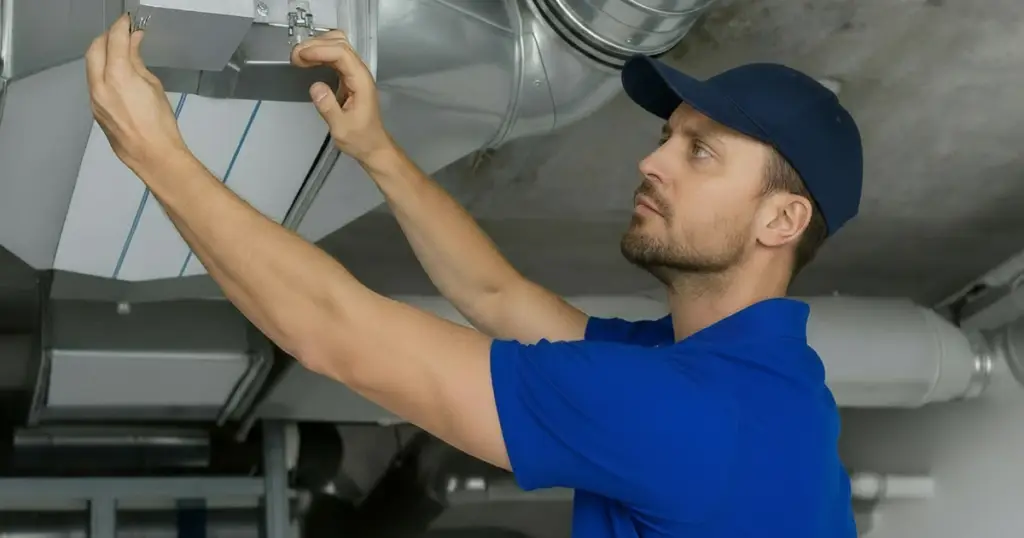
Two homes can be the same size but need different setups.
Here’s why layout matters:
Open-plan homes
- Air flows freely
- Fewer units needed
- One strong system may work
Closed-plan homes
- Air gets trapped
- More units needed
- Each room acts like its own zone
Multi-level homes
- Heat rises
- Upper floors get warmer
- You may need separate systems per floor
This is why professionals don’t just measure square meters. They study how your home “breathes.”
Heat Pump Capacity Matters More Than You Think
You don’t just count units. You size them.
Each heat pump has a capacity measured in kilowatts (kW).
If it’s too small:
- It runs all the time
- Struggles to heat the space
If it’s too big:
- Turns on and off too often
- Wastes energy
According to the U.S. Department of Energy sizing guidelines, improper sizing can reduce efficiency by up to 30%.
So instead of asking only how many heat pumps does a house need, also ask:
- What size should each unit be?
Multi-Split vs Single Units
There are two main ways to set up multiple heat pumps.
1. Single split systems
- One outdoor unit per indoor unit
- Easier to install
- Good for small setups
2. Multi-split systems
- One outdoor unit connects to several indoor units
- Saves space outside
- More complex but cleaner setup
If your home needs 3 or more units, multi-split systems are often better.
Energy Efficiency and Running Costs
More units don’t always mean higher bills. Poor planning does.
Here’s how to keep things efficient:
- Use zoning so you only heat rooms in use
- Choose units with high energy ratings
- Keep doors closed when heating specific rooms
- Maintain your system regularly
In fact, the International Energy Agency reports that heat pumps can reduce heating electricity use by up to 50% compared to traditional systems.
When You Might Need Extra Support Systems
Sometimes, heat pumps are part of a bigger system.
You might also deal with:
- Hot water systems
- Solar heating setups
- Backup heating
If your hot water system fails, you may need services like heat pump repair service or even temporary setups.
In some homes, people install backup systems during issues like Same day hot water repairs, especially when the main system stops working unexpectedly.
This doesn’t change how many heat pumps does a house need, but it affects how comfortable your home stays.
Climate Plays a Big Role
Where you live changes everything.
Mild climates
- Fewer units needed
- Lower capacity works fine
Cold climates
- More units or higher capacity needed
- Backup heating may be required
Humid areas
- Dehumidification becomes important
- Placement matters more
So if you’re comparing setups online, make sure the example matches your climate.
Professional Assessment vs Guesswork
You can estimate, but a proper assessment gives you accuracy.
A professional will check:
- Room sizes
- Insulation levels
- Window placement
- Ceiling height
- Air leakage
They may use tools like heat load calculations to determine exactly how many heat pumps does a house need.
It’s worth it. I’ve seen people redo full systems just because they guessed wrong the first time.
Quick Checklist Before You Decide
Use this simple checklist:
- How many rooms need heating or cooling?
- Are doors usually open or closed?
- Is your home single-level or multi-level?
- Do you want full-home comfort or just key areas?
- What’s your insulation like?
If you answer these honestly, you’ll already have a good idea of how many heat pumps does a house need.
Conclusion
So, how many heat pumps does a house need?
There’s no one-size answer, but here’s the reality:
- Small homes may get by with one
- Most family homes need two to three
- Larger or multi-level homes often need four or more
What matters most is not just the number, but where and how they’re installed.
If you plan it right, you’ll get even more comfort, lower bills, and fewer headaches later.